लंबी पढ़त
How to Cold Brew Herbal Teas: A Refreshing Guide
Cold-brewed herbal tea has become increasingly popular thanks to its refreshing taste, simple preparation, and naturally smooth flavor. Unlike traditional hot infusion methods, steeping herbs in cold water extracts their flavors gradually, resulting in a drink that is often sweeter, less bitter, and more aromatic. Whether you're looking for a healthy beverage or a creative way to enjoy your favorite herbs, cold brewing offers an easy and enjoyable solution.
Ryan Moore
रचनाकार
चखने से पहले
नीचे पूरी रचना पढ़ें।
परोसा गया
पत्रिका
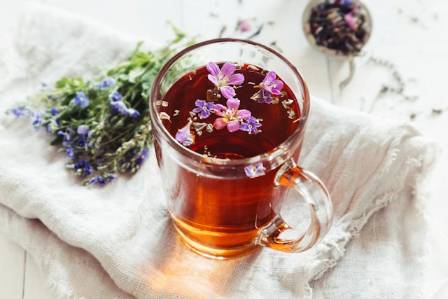
Cold-brewed herbal tea has become increasingly popular thanks to its refreshing taste, simple preparation, and naturally smooth flavor. Unlike traditional hot infusion methods, steeping herbs in cold water extracts their flavors gradually, resulting in a drink that is often sweeter, less bitter, and more aromatic. Whether you're looking for a healthy beverage or a creative way to enjoy your favorite herbs, cold brewing offers an easy and enjoyable solution.
Understanding Cold Brewing
Cold brewing is a technique that involves soaking tea leaves or herbs in cold water for an extended period, typically between eight and twelve hours. Because the extraction occurs slowly and without heat, the resulting drink is generally milder, smoother, and less acidic than tea prepared with boiling water.
Although this method is commonly associated with coffee, it works exceptionally well with herbal teas, allowing their natural flavors and beneficial compounds to shine.
Advantages of Cold-Brewed Herbal Tea
Richer and Smoother Flavor
One of the biggest benefits of cold brewing is the taste. Since cold water extracts flavor more gently, the tea develops a softer profile with reduced bitterness. This is especially beneficial for herbs that can become overpowering when steeped in hot water.
Preserving Beneficial Compounds
Many herbal teas contain antioxidants, vitamins, and plant compounds that contribute to their health-promoting properties. Because no high heat is involved, some delicate nutrients may remain better preserved during cold brewing.
For example, compounds such as flavonoids found in herbs like chamomile and hibiscus may retain more of their natural qualities when extracted at lower temperatures.
Endless Serving Possibilities
Cold-brewed herbal tea is incredibly flexible. It can be enjoyed as a refreshing drink on its own, mixed into smoothies, incorporated into cocktails, or even used in culinary recipes such as marinades and salad dressings.
It works equally well as an icy summer beverage or gently warmed during cooler seasons.
Effortless Preparation
Another reason for its popularity is its simplicity. There is no need to boil water or monitor steeping times carefully. Just combine herbs with water, place the mixture in the refrigerator, and allow time to do the work.

Best Herbs for Cold Brewing
Hibiscus
Hibiscus produces a vibrant ruby-red infusion with a pleasantly tart flavor similar to cranberry. Rich in antioxidants, it is often associated with heart-health benefits. When cold brewed, it becomes especially refreshing and aromatic.
Chamomile
Chamomile offers a delicate floral sweetness and is well known for its relaxing qualities. Cold brewing highlights its gentle character and creates a soothing drink suitable for any time of day.
Peppermint
Peppermint delivers a crisp, cooling sensation that makes it particularly enjoyable during warm weather. The cold-brewing process preserves its refreshing aroma and invigorating taste.
Rooibos
Naturally free of caffeine, rooibos has subtle nutty and sweet notes. Cold infusion enhances its smoothness while maintaining its antioxidant and anti-inflammatory properties.
Lemon Balm
Lemon balm contributes a mild citrus flavor and uplifting fragrance. It creates a bright, refreshing tea while also being valued for its calming effects.
Simple Cold-Brew Herbal Tea Recipe
Ingredients
1 cup dried herbs or 4–6 herbal tea bags
4 cups water (preferably filtered or spring water)
Sweetener of choice, such as honey, agave syrup, or stevia (optional)
Fresh garnishes such as mint leaves, citrus slices, or berries (optional)
Instructions
Measure the herbs or tea bags and prepare the water.
Place the herbs into a large pitcher, jar, or container.
Pour the water over the herbs and stir gently if needed.
Cover the container and refrigerate for eight to twelve hours. Longer steeping times will produce a stronger infusion.
Once steeping is complete, strain out the herbs using a fine sieve, cheesecloth, or tea strainer.
If desired, stir in your preferred sweetener and adjust to taste.
Serve over ice and garnish with fresh fruit, mint leaves, or citrus slices.
Store any remaining tea in the refrigerator and enjoy within three days.
Flavor Ideas to Try
Citrus Mint Infusion
Blend peppermint and lemon balm together, then add slices of lemon or lime during steeping. The result is a bright and energizing drink with refreshing citrus notes.
Berry Hibiscus Cooler
Add fresh or frozen berries to hibiscus tea while it steeps. Strawberries, blueberries, and raspberries bring natural sweetness and enhance the fruity flavor.
Chamomile Lavender Blend
Combine chamomile blossoms with dried lavender buds for a soothing floral infusion that's ideal for relaxing in the evening.
Tips for Better Results
Using premium-quality herbs will significantly improve the flavor and aroma of your tea.
Experiment with different herb-to-water ratios to find your ideal strength and intensity.
Choose filtered water whenever possible to avoid unwanted flavors from tap water.
Adjust steeping time based on your preference. Shorter infusions create lighter flavors, while longer steeping develops a richer taste.
Keep the tea refrigerated throughout the brewing process. A temperature close to 40°F (4°C) helps maintain freshness and safety.
Final Thoughts
Cold brewing herbal tea is one of the simplest ways to enjoy flavorful, naturally refreshing beverages throughout the year. With only a few ingredients and minimal effort, you can create customized drinks that suit your taste while benefiting from the natural qualities of your favorite herbs.
Whether you're sipping a glass on a sunny afternoon, serving it at a gathering, or incorporating it into creative recipes, cold-brewed herbal tea offers endless possibilities. Gather your favorite herbs, experiment with different combinations, and discover just how enjoyable cold brewing can be.

अगला स्वाद

The Tower of Pisa: From Architectural Misstep to Timeless Masterpiece
Introduction Nestled in the heart of Pisa, Italy, the Leaning Tower of Pisa has evolved into one of the most enduring symbols of architectural charm in the world. Originally conceived as the cathedral's standalone bell tower, its story is intertwined with ambition, unexpected structural flaws, and remarkable endurance. Construction began in 1173, and what began as a striking architectural intention soon became famous for an unintentional tilt caused by unstable ground. Yet over time, that very tilt transformed into a defining characteristic and symbolizing both medieval ingenuity and the resilience of cultural heritage. This exploration delves into the tower’s captivating journey—its origins, the challenges it faced, its restoration, and its rise as a beloved emblem of global architecture.

Top 10 Easy Drink Recipes for Every Occasion
Whether you’re craving a morning pick-me-up, a refreshing poolside sip, or a festive mocktail for a holiday gathering, these 10 easy drink recipes balance flavor, simplicity, and versatility. They span matcha-based energizers, fruity spritzers, and cozy lattes—with options for both caffeinated and non-alcoholic needs:

The Rise and Fall of the Floppy Disk
By 2025, global data is projected to balloon to 175 zettabytes—that’s 175 trillion gigabytes. Numbers of that scale were unimaginable back in 1967, when IBM engineer David L. Noble and his team began developing a new way to handle digital information. At the time, most computers still relied on punch cards, radios were the hottest gadgets, and clouds were only in the sky. Noble’s group set out to design a tool that could replace thousands of cards with a single compact medium.

Facts About Hummingbirds
One of the most delightful signs of spring and summer is watching hummingbirds (Trochilidae) dart between flowers and feeders in search of food.

How to Make Baguettes for Cheese Boards
Freshly baked baguettes bring together a crisp crust and soft, airy crumb that makes them an ideal match for cheese boards. Whether you're preparing a relaxed snack or hosting a gathering, mastering this bread elevates the entire experience.

जिराफ़ के बारे में 10 तथ्य!
अब समय आ गया है कि प्रकृति के सौम्य दिग्गजों में से एक के बारे में जानें! सुंदर जिराफ़ के बारे में हमारे दस तथ्य देखें…