लंबी पढ़त
The Tower of Pisa: From Architectural Misstep to Timeless Masterpiece
Introduction Nestled in the heart of Pisa, Italy, the Leaning Tower of Pisa has evolved into one of the most enduring symbols of architectural charm in the world. Originally conceived as the cathedral's standalone bell tower, its story is intertwined with ambition, unexpected structural flaws, and remarkable endurance. Construction began in 1173, and what began as a striking architectural intention soon became famous for an unintentional tilt caused by unstable ground. Yet over time, that very tilt transformed into a defining characteristic and symbolizing both medieval ingenuity and the resilience of cultural heritage. This exploration delves into the tower’s captivating journey—its origins, the challenges it faced, its restoration, and its rise as a beloved emblem of global architecture.
Mason Grant
रचनाकार
चखने से पहले
नीचे पूरी रचना पढ़ें।
परोसा गया
पत्रिका
Introduction
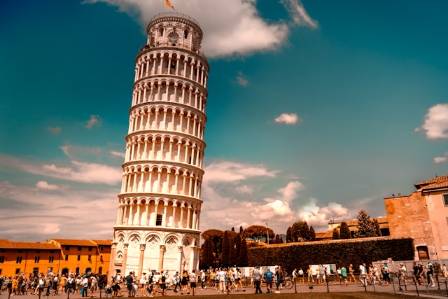
Nestled in the heart of Pisa, Italy, the Leaning Tower of Pisa has evolved into one of the most enduring symbols of architectural charm in the world. Originally conceived as the cathedral's standalone bell tower, its story is intertwined with ambition, unexpected structural flaws, and remarkable endurance. Construction began in 1173, and what began as a striking architectural intention soon became famous for an unintentional tilt caused by unstable ground. Yet over time, that very tilt transformed into a defining characteristic and symbolizing both medieval ingenuity and the resilience of cultural heritage. This exploration delves into the tower’s captivating journey: its origins, the challenges it faced, its restoration, and its rise as a beloved emblem of global architecture.
The Construction Beginnings and Initial Flaws
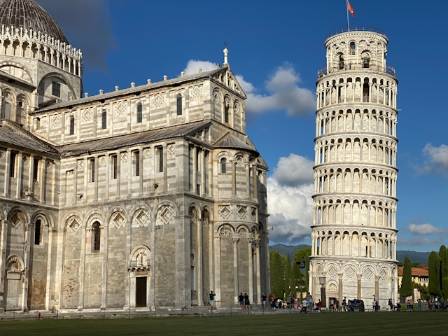
Work on the tower commenced in 1173 under the city’s leadership, aspiring to erect an impressive campanile beside the cathedral. Crafted in the classic Romanesque fashion replete with elegant arches and slender columns, perhaps the work of Bonanno Pisano, the design reflected the era’s stylistic ideals. The ground, however, proved problematic: soft, unstable layers of clay, sand, and shells undermined the integrity of the foundation. Up through the third level, the structure seemed sound, but by the fourth floor around 1178, an unmistakable incline emerged. Construction came to a halt, likely due to budget issues and political instability. During the hiatus, the uneven soil settled further, intensifying the tilt. Locals alternately regarded it as a design flaw or a curious novelty.
When building resumed almost a century later, engineers attempted to correct the imbalance by adjusting the upper stories making one side taller to counteract the lean and restore visual balance. This adaptive strategy exemplified the creativity of medieval craftsmen. The tower reached its final form around 1372, closing out a construction timeline marked by both interruption and innovation and cementing a legacy defined by its imperfection turned proud hallmark.
The Lean: Causes and Consequences
The tilt of the Tower of Pisa captured attention not only as an engineering anomaly but as a testament to geological unpredictability. Its flawed foundation began to sag from the outset due to inadequate soil support. The resulting lean prompted creative design adjustments and even altered public perception. What once might have been dismissed as a failed structure gradually came to represent a resilient landmark. Over time, the tower became an architectural case study, informing generations of engineers and architects about the importance of soil analysis, structural planning, and adaptive design.
Restoration Efforts and Engineering Marvels
By the late twentieth century, the lean had advanced to a level that threatened the tower’s survival. In response, a high-profile restoration campaign was launched around 1990. The team applied modern engineering solutions including soil removal beneath the elevated side, delicate structural bracing, and continuous monitoring to nudge the edifice into greater stability without eliminating its signature tilt. Over years of careful work, the tower was straightened by approximately forty-five centimeters, bringing the lean back to its late-19th-century angle. After this careful intervention, the tower reopened to the public on December 15, 2001, with assurances of lasting stability. It has remained a fixture of Pisa's cultural heritage for centuries to come.
Cultural Impact and the Tower’s Global Recognition
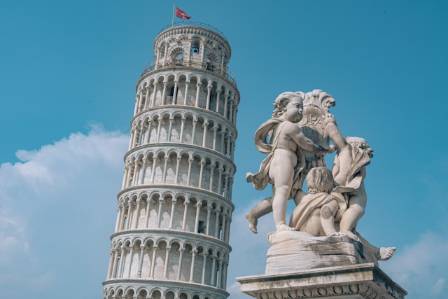
Beyond its structural saga, the tower’s cultural influence is profound. Immortalized in art, literature, and folklore, its off-balance elegance transformed a construction flaw into an enduring narrative of perseverance. Visitors flock from every corner of the globe, not only to admire its beauty but to partake in the playful tradition of pretending to hold it upright in photos. As a UNESCO World Heritage site within the Piazza dei Miracoli along with the cathedral, baptistery, and monumental cemetery, it anchors Pisa’s place in world heritage.
Lessons Learned: Architectural Integrity and Preservation
The tale of the Leaning Tower offers valuable lessons for architecture and preservation. It underscores the vital role of foundational analysis and soil suitability in construction. Its restoration demonstrated the efficacy of combining advanced technology with respect for historical form. The project’s success was due to interdisciplinary collaboration among engineers, architects, historians, and conservators highlighting how diverse expertise can safeguard cultural landmarks. Today, the tower stands not just as a monument but as a living narrative of creativity, caution, and collective stewardship.
Conclusion
The Leaning Tower of Pisa endures as a powerful metaphor for how human flaws can evolve into cultural icons. What began as a structural miscalculation became a marvel of adaptation, drawing admiration for both its precarious geometry and the ingenuity that preserved it. As it stands angled against the sky, the tower invites us to reflect on the delicate interplay between ambition, nature, and the transformative power of human resilience. Even when tilted, it remains supremely upright in its impact and legacy.
अगला स्वाद

Are Smoothies Good for You? A Nutritionist’s Comprehensive Guide
Smoothies have become a staple in modern diets, celebrated for their convenience, versatility, and ability to pack fruits, vegetables, and nutrients into a single, easy-to-consume drink. Whether enjoyed as a quick breakfast on a busy morning, a post-workout recovery snack, or a way to sneak extra veggies into a child’s diet, smoothies offer undeniable appeal. But beneath their vibrant colors and refreshing taste lies a question that divides health enthusiasts: are smoothies truly good for you, or are their high sugar content and blended format undermining their nutritional value? To answer this, we’ll dive into the science, benefits, potential pitfalls, and expert tips to help you make informed choices about incorporating smoothies into your lifestyle.

The Fastest Sprinter on Earth What You Should Know About Cheetahs
These magnificent big cats exist as five unique subspecies. Their anatomy is built for pure speed. They possess a slender frame with powerful long legs. A small rounded head sits upon a long neck. Their spine remains flexible for rapid movement. A deep chest houses their strong heart. Their feet feature specialized pads for grip. They use a long tail for balance during sharp turns. This is the only cat species unable to pull back its claws. These claws act like cleats for a soccer player. They maintain traction during high speed pursuits. You will notice distinct black markings on their faces. These lines run from their eyes to their mouths. They act like anti glare paint for hunting under the hot sun.
Authentic Homemade Naan: Soft, Chewy, and Fluffy
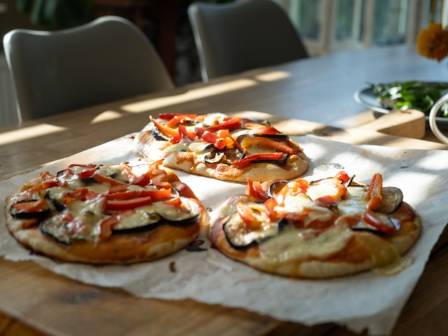
Many homemade naan recipes produce nothing more than a standard flatbread. This specific version, however, achieves the airy, bubbly, and chewy texture typically found only in Indian restaurants. Even without a traditional clay tandoor oven, you can create professional-quality naan in your own kitchen using a simple skillet. The dough is incredibly straightforward and requires no intense kneading, making it accessible for bakers of all skill levels.

एक बेहतरीन स्पोर्ट्स कार क्या होती है?
जब ग्रासरूट्स मोटरस्पोर्ट्स 30 साल से भी ज़्यादा पहले सामने आई थी—जब इसे ऑटो-एक्स मैगज़ीन कहा जाता था—तब स्पोर्ट्स कार जगत बुरे दौर से गुज़र रहा था। एमजी, ट्रायम्फ और ऑस्टिन-हीली जैसे मशहूर ब्रांड बहुत पहले ही हमसे दूर जा चुके थे, जबकि अल्फ़ा रोमियो की स्पाइडर अभी भी दशकों पहले की ही याद दिला रही थी। कभी ज़बरदस्त कार्वेट बिल्कुल नई थी, फिर भी काफ़ी फूली हुई थी। यहाँ तक कि पोर्श 911 का भी भविष्य अनिश्चित था।
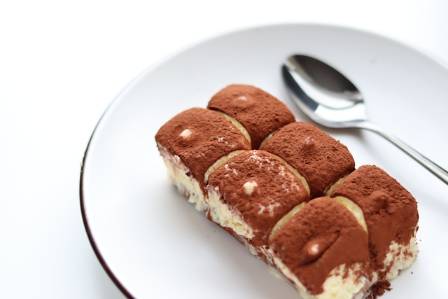
The Story Behind Tiramisù: "Fact and Legend"
Tiramisù is now the most famous dessert worldwide and is often regarded as the epitome of modern sweets. The name "Tiramisù" literally means "pick me up,"
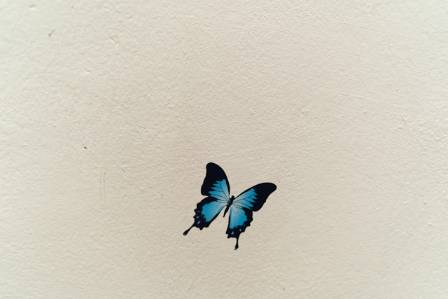
एक्रिलिक पेंटिंग में शुरुआती लोगों के लिए गाइड: मोनार्क तितली को चित्रित करना
कैनवास पर एक जीवंत तितली बनाना किसी भी उभरते कलाकार के लिए एक आसान प्रोजेक्ट है, बशर्ते आप प्रक्रिया को सरल और सहज स्ट्रोक में विभाजित कर लें। यह ट्यूटोरियल प्रतिष्ठित मोनार्क तितली पर केंद्रित है, जो आपको रंगों की परतें बिछाने और बारीक विवरणों को समझने में मदद करेगा, जिससे ये नाज़ुक जीव जीवंत हो उठते हैं। पेंटिंग के "अनिश्चित" मध्य चरणों से आगे बढ़कर, आप जानेंगे कि कैसे छोटे-छोटे अंतिम स्पर्श एक पेशेवर और परिष्कृत परिणाम देते हैं।