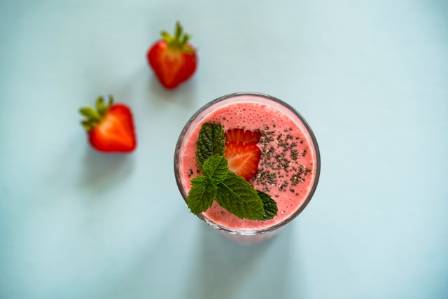
Smoothies have become a staple in modern diets, celebrated for their convenience, versatility, and ability to pack fruits, vegetables, and nutrients into a single, easy-to-consume drink. Whether enjoyed as a quick breakfast on a busy morning, a post-workout recovery snack, or a way to sneak extra veggies into a child’s diet, smoothies offer undeniable appeal. But beneath their vibrant colors and refreshing taste lies a question that divides health enthusiasts: are smoothies truly good for you, or are their high sugar content and blended format undermining their nutritional value? To answer this, we’ll dive into the science, benefits, potential pitfalls, and expert tips to help you make informed choices about incorporating smoothies into your lifestyle.
The Core Benefits of Smoothies: Why They’re a Popular Nutritional Choice
Smoothies shine as a practical way to boost nutrient intake, especially for those who struggle to eat enough fruits and vegetables. Unlike juice, which strips away most fiber during processing, smoothies retain the entire fruit or vegetable—including skin, pulp, and fiber—making them a more filling and nutritionally complete option. A typical homemade smoothie can contribute 1-2 servings of your daily “five-a-day” target, delivering essential vitamins (like vitamin C from citrus, vitamin A from spinach, and potassium from bananas), minerals, and antioxidants that support immune function, heart health, and overall wellness. For busy individuals, smoothies are a time-saver: they can be prepped in minutes, blended quickly, and consumed on the go, eliminating the excuse of “not having time to eat healthy.” They’re also a valuable tool for fussy eaters, especially children, as blending masks the taste of bitter greens (like kale or spinach) with sweet fruits (like mango or berries), making it easier to introduce nutrient-dense foods. Additionally, smoothies can be customized to meet specific dietary needs—vegan, gluten-free, high-protein, or low-sugar—by swapping ingredients like dairy milk for almond milk, adding protein powder or nut butter, or focusing on non-starchy vegetables. For those with digestive issues, the blended format breaks down plant cell walls, making nutrients more accessible and easier to digest than whole fruits or vegetables.
The Hidden Downside: Free Sugars and Their Impact on Health
While smoothies offer significant benefits, their biggest drawback lies in the way blending affects sugar. When you blend or juice fruit, you break down the plant’s cell walls, releasing “free sugars”—the naturally occurring sugars in fruit that are no longer bound to fiber. Unlike whole fruit, where fiber slows the absorption of sugar into the bloodstream, free sugars in smoothies are absorbed rapidly, causing a sharp spike in blood glucose levels. This can be problematic for people with diabetes or insulin resistance, as it increases the risk of 血糖 fluctuations and may contribute to long-term insulin sensitivity. Free sugars also provide empty calories: a 500ml homemade smoothie with high-sugar fruits (like bananas, mangoes, and grapes) can contain 30-40 grams of sugar—equivalent to a can of soda—without the fiber to promote satiety, potentially leading to overeating and weight gain. Dental health is another concern: the sugars in smoothies coat the teeth, feeding harmful bacteria that produce acid, which erodes tooth enamel and increases the risk of cavities. Compounding these issues is the fact that smoothies and juices only count as one serving of your five-a-day, regardless of how many different fruits or vegetables they contain or how much you drink. This means drinking multiple smoothies a day won’t increase your fruit and veg intake beyond one serving, but it will pile on extra sugar and calories.
Should Children Drink Smoothies? Expert Recommendations for Kids
Water and milk are universally recognized as the best drinks for children, but smoothies can be a healthy addition to their diet when prepared thoughtfully. They offer a way to include nutrient-rich foods that kids might otherwise refuse—like leafy greens, avocados, or chia seeds—and are ideal for children with poor appetites, picky eaters, or busy teenagers. Unlike juice, smoothies retain fiber, which helps slow sugar absorption and keeps kids fuller for longer. However, parents must exercise caution: children’s bodies are more sensitive to sugar, and the World Health Organization (WHO) recommends that free sugars make up no more than 5% of a child’s daily calorie intake (about 25 grams for a 10-year-old). To keep smoothies kid-friendly and healthy, focus on a balance of vegetables (like spinach, cucumber, or carrots), a small amount of low-sugar fruit (berries, apples, or pears), and a source of protein or healthy fat (yogurt, kefir, or nut butter) to stabilize blood sugar. Avoid adding sweeteners like honey, maple syrup, or protein powders, which can introduce unnecessary sugars and additives. Another key consideration is consumption speed: because smoothies are drunk, not chewed, kids may consume them quickly, missing out on the “fullness signals” that come from chewing solid food. To mitigate this, serve smoothies in small cups with a straw, or pair them with a small snack like whole-grain toast or nuts. Most importantly, whole fruits and vegetables should remain the primary source of produce in a child’s diet, as chewing helps develop oral motor skills and fosters healthy eating habits.
Homemade vs. Shop-Bought Smoothies: Which Is Better?
The choice between homemade and shop-bought smoothies can significantly impact their nutritional value. Most store-bought smoothies are made with processed ingredients like fruit purées, concentrates, and added sugars, which increase the sugar content while reducing fiber and nutrient density. Many are also sold in large portions (250ml or more)—well above the recommended 150ml serving size—leading to excessive sugar intake. Some shop-bought options add “fortified” nutrients like B vitamins, vitamin C, or calcium, but these synthetic additives are not as well absorbed by the body as nutrients from whole foods. In contrast, homemade smoothies are fresher, more nutritious, and customizable: you control the ingredients, ensuring no added sugars, preservatives, or artificial flavors. Homemade versions retain all the fiber from fruits and vegetables, which supports digestion and satiety, and can be tailored to your taste preferences and dietary needs. For example, you can load up on leafy greens, add a scoop of protein powder for a post-workout boost, or use unsweetened plant milk for a vegan option. While shop-bought smoothies offer convenience, they often prioritize taste and shelf life over nutrition. If you opt for store-bought, look for options with no added sugars, a short ingredient list (preferably just fruits, vegetables, and a liquid base), and a portion size of 150ml or less.
Fresh vs. Frozen Fruit: Which Works Better for Smoothies?

When it comes to smoothie ingredients, the debate between fresh and frozen fruit is largely a matter of convenience, cost, and personal preference—nutritionally, both are excellent choices. Studies show that frozen fruit (and vegetables) can be just as nutritious as fresh, and in some cases, more so: fruits are often frozen at the peak of ripeness, locking in vitamins, minerals, and antioxidants before they can degrade during transport or storage. For example, frozen berries may have higher levels of vitamin C and anthocyanins (powerful antioxidants) than fresh berries that have been sitting on store shelves for days. The only notable exception is beta-carotene, a nutrient that converts to vitamin A in the body, which may decrease slightly during freezing. Frozen fruit also offers practical benefits: it’s often more affordable than fresh, especially for out-of-season produce, and eliminates waste since it can be stored in the freezer for months. It also creates a thicker, creamier smoothie without the need for ice, which can dilute flavor and nutrients. Fresh fruit, on the other hand, may have a brighter taste and texture, and is ideal for those who prefer a lighter smoothie. Ultimately, the best choice depends on your needs: if you’re looking for convenience, cost savings, or year-round access to seasonal fruits, frozen is the way to go. If you prioritize fresh flavor or have access to local, in-season produce, fresh works perfectly. Both count towards your five-a-day, so the most important thing is to include a variety of fruits (and vegetables) in your smoothies.
What’s the Right Portion Size for Smoothies?
Portion control is key to enjoying smoothies without overloading on sugar and calories. For most adults, the recommended daily intake of smoothies (and fruit juice) is 150ml—about the size of a small glass. This portion contains approximately 10-15 grams of sugar (depending on the ingredients) and counts as one serving of your five-a-day. Drinking more than this can lead to excessive free sugar intake, which increases the risk of weight gain, tooth decay, and blood sugar issues. For children, portion sizes should be smaller and tailored to their age and activity level: toddlers (1-3 years) should have no more than 50-75ml, preschoolers (4-6 years) 75-100ml, and older children (7-12 years) 100-125ml. A useful rule of thumb for kids is to use only the amount of fruit and vegetables they would eat if served whole—for example, if your child would eat half an apple and a handful of berries, that’s the amount to include in their smoothie. Avoid large-format smoothies (250ml or more), even if they’re homemade, as they can easily exceed daily sugar limits. To enforce portion control, use small glasses or bottles, and measure ingredients with a cup or scale. Remember, smoothies are a supplement to a balanced diet, not a replacement for whole foods—so pair them with protein, healthy fats, or whole grains to create a complete meal.
Choosing the Best Ingredients for Healthy Smoothies
The key to a nutritious smoothie lies in balancing low-sugar fruits, vegetables, protein, and healthy fats to minimize sugar content and maximize satiety. Start with a base of non-starchy vegetables: leafy greens (spinach, kale, arugula), cucumber, celery, bell peppers, or zucchini are excellent choices, as they’re low in sugar and high in fiber, vitamins, and minerals. Next, add a small amount of low-sugar fruit to sweeten: berries (strawberries, blueberries, raspberries), stone fruits (peaches, apricots, plums), citrus fruits (oranges, lemons, limes), kiwi, or avocado (which adds creaminess and healthy fats) are ideal. Avoid high-sugar fruits like bananas, mangoes, pineapples, or grapes in large quantities—use them sparingly as a natural sweetener. To boost protein and keep you full, add a source like Greek yogurt, kefir, unsweetened plant milk (almond, soy, oat), nut butter (peanut, almond, cashew), chia seeds, or hemp seeds. Protein slows sugar absorption and supports muscle health, making smoothies more satisfying and nutritionally balanced. For extra nutrients, consider adding a handful of spinach or kale (which blends seamlessly with fruit), a teaspoon of flaxseeds (for omega-3 fatty acids), or a dash of cinnamon (to regulate blood sugar). Avoid adding sweeteners like honey, maple syrup, agave, or flavored syrups, as well as processed additives like protein powders with added sugars or artificial flavors. The goal is to keep ingredients simple, whole, and minimally processed.
How Often Should You Drink Smoothies?
Smoothies can be part of a healthy, balanced diet, but moderation is key. For most adults and children, one smoothie per day is sufficient—this ensures you benefit from the nutrients without exceeding sugar limits. If you drink smoothies regularly, vary the ingredients to avoid nutrient deficiencies and keep things interesting: alternate between different fruits, vegetables, and protein sources to get a wide range of vitamins and minerals. Avoid drinking smoothies every meal, as this can lead to a lack of chewing (which aids digestion and oral health) and may result in excessive sugar intake. Instead, reserve smoothies for breakfast, a mid-morning or afternoon snack, or post-workout recovery. For people with diabetes, insulin resistance, or weight management goals, consult a nutritionist or doctor before incorporating smoothies into your diet, as they may need to adjust portion sizes or ingredient choices to manage blood sugar. Remember, smoothies are not a “superfood” that can replace a varied diet—they’re a convenient way to boost nutrient intake, so pair them with whole grains, lean protein, and healthy fats to create a well-rounded eating plan.
Final Thoughts: Are Smoothies Good for You?
The answer to whether smoothies are good for you depends on how they’re made, portioned, and integrated into your diet. When prepared with whole, low-sugar ingredients, balanced with vegetables, protein, and healthy fats, and consumed in moderation (150ml per day), smoothies offer a convenient, nutritious way to boost fruit and veg intake, support digestion, and provide a quick energy boost. However, when loaded with high-sugar fruits, consumed in large portions, or relied on as a replacement for whole foods, they can contribute to excess sugar intake, weight gain, and other health issues. The key takeaways are: prioritize homemade over shop-bought, use a balance of vegetables and low-sugar fruits, add protein and healthy fats, control portions, and drink them in moderation. For children, smoothies can be a valuable tool to encourage healthy eating, but they should be prepared with minimal sugar and served in small portions. Ultimately, smoothies are a supplement to a balanced diet, not a substitute for whole foods—so enjoy them as part of a varied eating plan that includes plenty of whole fruits, vegetables, grains, protein, and healthy fats. With the right approach, smoothies can be a delicious and nutritious addition to your daily routine.