लंबी पढ़त
Pomegranate Flower: A Bright Fragrance
The pomegranate flower is one of the most attractive features of the pomegranate tree. Recognized for its vivid red color and elegant shape, this flowering shrub usually grows between 16 and 33 feet tall. The tree has a trunk diameter of around 1.2 inches and originally comes from the region of ancient Persia, which is now modern-day Iran.
Lucy Dawson
रचनाकार
चखने से पहले
नीचे पूरी रचना पढ़ें।
परोसा गया
पत्रिका
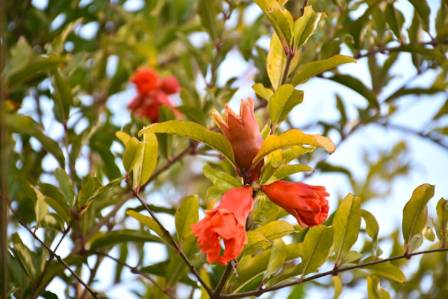
The pomegranate flower is one of the most attractive features of the pomegranate tree. Recognized for its vivid red color and elegant shape, this flowering shrub usually grows between 16 and 33 feet tall. The tree has a trunk diameter of around 1.2 inches and originally comes from the region of ancient Persia, which is now modern-day Iran.
The pomegranate tree thrives in warm climates and is widely cultivated in places such as India, parts of Africa, Southeast Asia, and the Mediterranean region. It also grows successfully in areas including Spanish America, California, and other regions with suitable weather conditions.
Scientifically known as Punica granatum, the pomegranate is a deciduous shrub belonging to the Lythraceae family. Although the tree is widely valued for its delicious fruit, its beautiful blossoms are equally admired by gardeners. This guide will explore the appearance of pomegranate flowers, growing requirements, cultural importance, blooming problems, and common pests and diseases.
Appearance and Varieties of Pomegranate Flowers
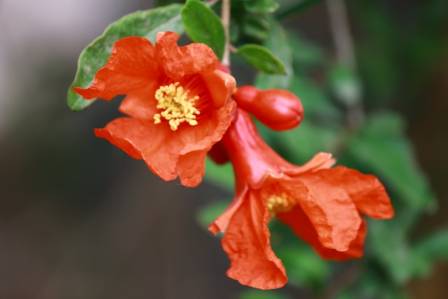
Pomegranate trees produce both male and female flowers, with the female blossoms relying on pollen from male flowers for successful fertilization. Both flower types generally have three to five petals and display bright shades of orange or red. Occasionally, varieties with pink flowers can also be found.
The petals may have smooth edges, slightly ruffled shapes, or even delicate white markings. Each flowering pomegranate tree produces blossoms with a gentle and pleasant fragrance, adding extra charm to the garden.
Flowering Season and Growing Requirements
Pomegranate trees are considered easy-to-grow plants, making them suitable additions to many gardens. They prefer warm conditions and do not perform well in cold environments. Their care requirements are relatively simple, especially once they become established.
These plants can adapt to many soil types except heavy clay soils. The most important factor is good drainage, as waterlogged soil can harm the roots. Since pomegranate trees naturally originate from areas with poor soil and limited nutrients, they do not require excessive fertilization or intensive maintenance.
One of the tree’s greatest advantages is its ability to tolerate drought. Mature plants need only occasional watering, often around once a week, depending on the climate and soil conditions.
In many regions, pomegranate flowers usually appear around September and later in the season. However, in the Southern Hemisphere, blooming has also been observed as early as March.
Historical Uses, Symbolism, and Culinary Applications
The pomegranate flower has a long history and has been valued for thousands of years. In ancient China, it was considered a precious and luxurious plant, with records of its importance dating back to around the 5th millennium BC.
The flower and fruit have also appeared in traditional Indian medicine, where they were used as important ingredients in various treatments. Modern research has suggested that pomegranate may offer health benefits, including possible support for heart health.
Beyond medicinal uses, pomegranate flowers can also be used in food and beverages. Boiling and filtering the blossoms can create a refreshing herbal tea enjoyed for its unique flavor and traditional value.
Reasons for Poor Flowering or Flower Drop
Although pomegranate trees are naturally strong and capable of producing many blossoms, poor care or environmental stress can cause flowers to fall prematurely. Several factors may contribute to this issue.
One important factor is flower type. Pomegranate trees produce both male and female blossoms. Male flowers naturally drop after releasing pollen, so a tree with many male flowers may appear to lose blooms quickly. Female flowers may also fall if they are not successfully pollinated. Proper pollination is necessary for fruit development and longer-lasting flowers.
Weather conditions can also affect blooming. Pomegranate trees do not tolerate cold temperatures well, and sudden temperature changes may cause flowers to drop. Container-grown plants can be moved to a protected area during cold periods, while greenhouse growing can provide a more stable environment.
The age of the tree is another consideration. A young pomegranate tree usually needs around three years to mature enough to produce fruit. During this early stage, flowers may appear but naturally fall before fruit develops. With regular care, the plant will become stronger and more productive over time.
Common Pests and Diseases Affecting Pomegranate Flowers
Pomegranate flowers and trees can sometimes suffer from pest infestations and diseases. While many problems are not frequent, understanding how to identify and manage them is important for maintaining healthy plants.
Cercospora Fruit Spot
Cercospora fruit spot is a fungal disease that affects pomegranate leaves and fruit. It usually appears as light brown spots on leaves and may create larger dark patches on the fruit.
This problem is more common during periods of heavy rainfall or when the soil remains excessively wet. To manage the disease, remove infected fruits, leaves, branches, and twigs. In severe cases, applying a suitable fungicide may help control the spread.
Heart Rot
Heart rot is another fungal problem that affects pomegranate fruit. The symptoms are often difficult to notice from the outside. Infected fruits may feel lighter or appear paler, but the damage is usually discovered only after opening the fruit and finding internal decay.
Unfortunately, there is currently no effective treatment once heart rot has developed, so prevention and proper plant care are essential.
Aphids
Aphids are small insects that weaken pomegranate plants by feeding on their tissues. Infested trees may show poor growth, fruit damage, or mold-related problems caused by insect activity.
To reduce aphid populations, keep the area around the plant clean and remove damaged sections. A strong stream of water can help wash insects away, while severe infestations may require insecticide treatment.
Other Common Pomegranate Pests
Additional pests that may affect pomegranate plants include leaf-footed plant bugs, mealybugs, omnivorous leafrollers, and pomegranate fruit borers. Regular inspection and early action can help prevent these insects from causing serious damage.
अगला स्वाद

12 Remarkable Sharks You Should Know
Sharks have roamed Earth's oceans for nearly 450 million years—long before the dinosaurs. With over 400 species thriving today, they come in all shapes and sizes, each with unique features perfectly suited to their habitats. Here’s a look at 12 fascinating shark species that highlight the incredible diversity of these ancient predators.

1994 सुपरट्यूनर शोडाउन: आफ्टरमार्केट मॉन्स्टर्स
किसी भी कार वाले को माइक्रोस्कोप के नीचे रखें, उसकी विनम्र और सभ्य परतों के माध्यम से ज़ूम करें जहाँ कणिकाएँ लाल गर्म हो जाती हैं, और वहाँ जलती हैं यूनिवर्सल फैंटेसी: आपको एक बेहतरीन साफ-सुथरी कार मिलती है, फिर आप उसे और भी साफ-सुथरा बनाते हैं। यह उस काल्पनिक दुनिया में एक फील्ड ट्रिप है। लेकिन पहले, आइए इस बात पर सहमत हों कि "साफ-सुथरी" क्या होती है। क्या हम सभी दिखावे को छोड़कर उच्च विचारों वाले बन सकते हैं? सच कहा जाए तो, हम जिस संतुष्टि का पीछा कर रहे हैं, वह पिज्जा का सबसे बड़ा टुकड़ा पाने की योजना बनाने से ज़्यादा कुछ नहीं है। और फिर उसे पाना! हमें और अच्छी चीज़ें दो! ज़्यादा शक्ति। गति रोमांच। ज़्यादा पकड़। जी का रोमांच। और क्या है? आह, अब यहाँ मुख्य प्रश्न है।

3 Techniques to Unleash Your Creative Potential
Ingenious Strategies for Cultivating Inspiration, Drive, and Readiness to Amplify Creativity.
घास के मैदानों के बगीचे आजकल तेज़ी से लोकप्रिय हो रहे हैं—इसे कैसे उगाएँ, जानिए
हरे-भरे खेतों के बीच, एकांत घर, उजले आसमान के नीचे धूप में नहाया हुआ

मानव अंतरिक्ष अन्वेषण का उदय: अग्रणी
वायुमंडल से परे मानवता की यात्रा 12 अप्रैल, 1961 को शुरू हुई, जब सोवियत अंतरिक्ष यात्री यूरी गागारिन अंतरिक्ष में प्रवेश करने वाले पहले व्यक्ति बने। वोस्तोक 1 अंतरिक्ष यान में सवार होकर, गागारिन ने 108 मिनट के मिशन के दौरान पृथ्वी की एक परिक्रमा पूरी की। यान को कजाकिस्तान के बैकोनूर के पास स्थित एक स्थान से लॉन्च किया गया था, हालांकि बाद में रणनीतिक गोपनीयता बनाए रखने के लिए वास्तविक प्रस्थान बिंदु ट्यूरटम के करीब बताया गया। आज, यह ऐतिहासिक स्थल बैकोनूर कॉस्मोड्रोम के भीतर गागारिन के प्रस्थान बिंदु के रूप में जाना जाता है।

सिएटल में टॉप 7 पब्लिक बास्केटबॉल कोर्ट
खिलाड़ी कोर्ट पर ड्रिबल, पास और शूट करते हैं, हर मूव के साथ स्नीकर्स की आवाज़ आती है