लंबी पढ़त
Learn How To Plant, Care and Grow Bountiful Agapanthus
Agapanthus, often called African Lily, is a striking perennial native to South Africa. Known for its globe-shaped clusters of vibrant flowers and graceful, strap-like foliage, it is a favorite in gardens worldwide. These plants are easy to maintain, generally free from serious pests and diseases, and can provide a spectacular floral display when given the right growing conditions.
Ryan Thomas
रचनाकार
चखने से पहले
नीचे पूरी रचना पढ़ें।
परोसा गया
पत्रिका
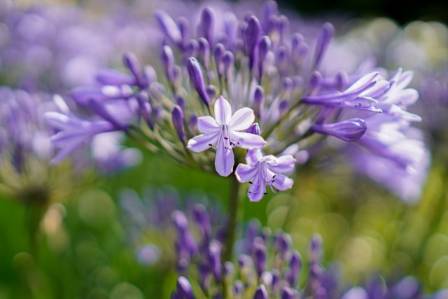
Agapanthus, often called African Lily, is a striking perennial native to South Africa. Known for its globe-shaped clusters of vibrant flowers and graceful, strap-like foliage, it is a favorite in gardens worldwide. These plants are easy to maintain, generally free from serious pests and diseases, and can provide a spectacular floral display when given the right growing conditions.
Choosing the Best Planting Location
Agapanthus performs best in a sunny position and ideally receives six to eight hours of direct sunlight each day. In regions with very hot summers, light afternoon shade can help prevent stress and maintain healthy growth.
The plants prefer fertile, moist, and well-drained soil. Most varieties tolerate a wide range of soil pH levels, although Agapanthus africanus grows best in slightly acidic conditions.
Most Agapanthus varieties are suitable for hardiness zones 8–11, while some more resilient cultivars can also survive in zone 7.
Planting Agapanthus Rhizomes
The ideal time to plant Agapanthus rhizomes is in spring, after the danger of frost has passed and the soil temperature reaches approximately 10°C (50°F).
Prepare planting holes about 5 cm (2 inches) deep, spacing the rhizomes 30–45 cm (12–18 inches) apart. This spacing allows enough room for growth while helping neighboring plants support one another.
Before planting, enrich the soil with organic compost, as Agapanthus benefits from nutrient-rich conditions. Position each rhizome with its pointed end facing upward, then cover it with soil and water thoroughly.
In colder climates, apply a thick layer of mulch around the root area to provide additional winter protection.
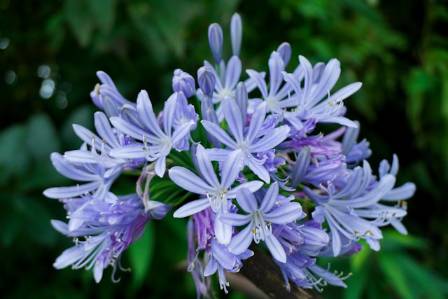
Caring for Agapanthus
Consistent watering during the growing season helps establish healthy plants and encourages abundant flowering.
Feed plants twice during the active growing period—once in early spring and again about two months later. Use a balanced fertilizer such as 10-10-10 or 5-5-5, or a formula containing slightly more phosphorus than nitrogen. Stop fertilizing by late summer.
Removing spent flower heads helps stimulate fresh growth and prevents the plant from using energy to produce seeds. This also reduces unwanted self-seeding in the garden.
After flowering, allow the foliage to remain intact. The leaves continue producing energy through photosynthesis, which is stored in the roots and supports the following season’s blooms.
As autumn approaches and the leaves begin turning yellow, gradually reduce watering. Remove the foliage only after it has completely died back.
Agapanthus can be propagated through division from spring to early summer or in early autumn after flowering. Many species can also be grown from seed.
Whether grown in containers or garden beds, mature plants benefit from division approximately every four years. Deciduous varieties are best divided in early spring before new growth begins, while evergreen forms should be divided shortly after flowering.
Although generally trouble-free, insufficient sunlight, winter damage, or prolonged cold conditions are among the most common reasons for poor flowering.
Winter Care
In zones 8–11, most Agapanthus can remain outdoors throughout winter, with their rhizomes safely left in the ground. Some hardy cultivars can also survive in zone 7.
Gardeners in colder regions should lift the rhizomes before the first hard frost if they wish to preserve them for the following season.
Evergreen Agapanthus should be moved indoors and placed in a bright location where temperatures remain between 12–15°C (55–60°F). Water sparingly during winter.
Deciduous varieties require a dormant period. After lifting them from the soil, gently remove excess dirt and allow the rhizomes to dry for several days in a warm, dry place. Store them wrapped in newspaper in a cool, dark environment at temperatures between 4–10°C (40–50°F).
Another option is to pot the dormant rhizomes and keep them indoors in a cool room. Since they have no foliage during dormancy, they require very little light. Keep the soil only slightly moist until active growth resumes in spring.
Once growth begins again, indoor-grown plants can be fertilized lightly in the same way as other houseplants until they are moved back outdoors.
अगला स्वाद
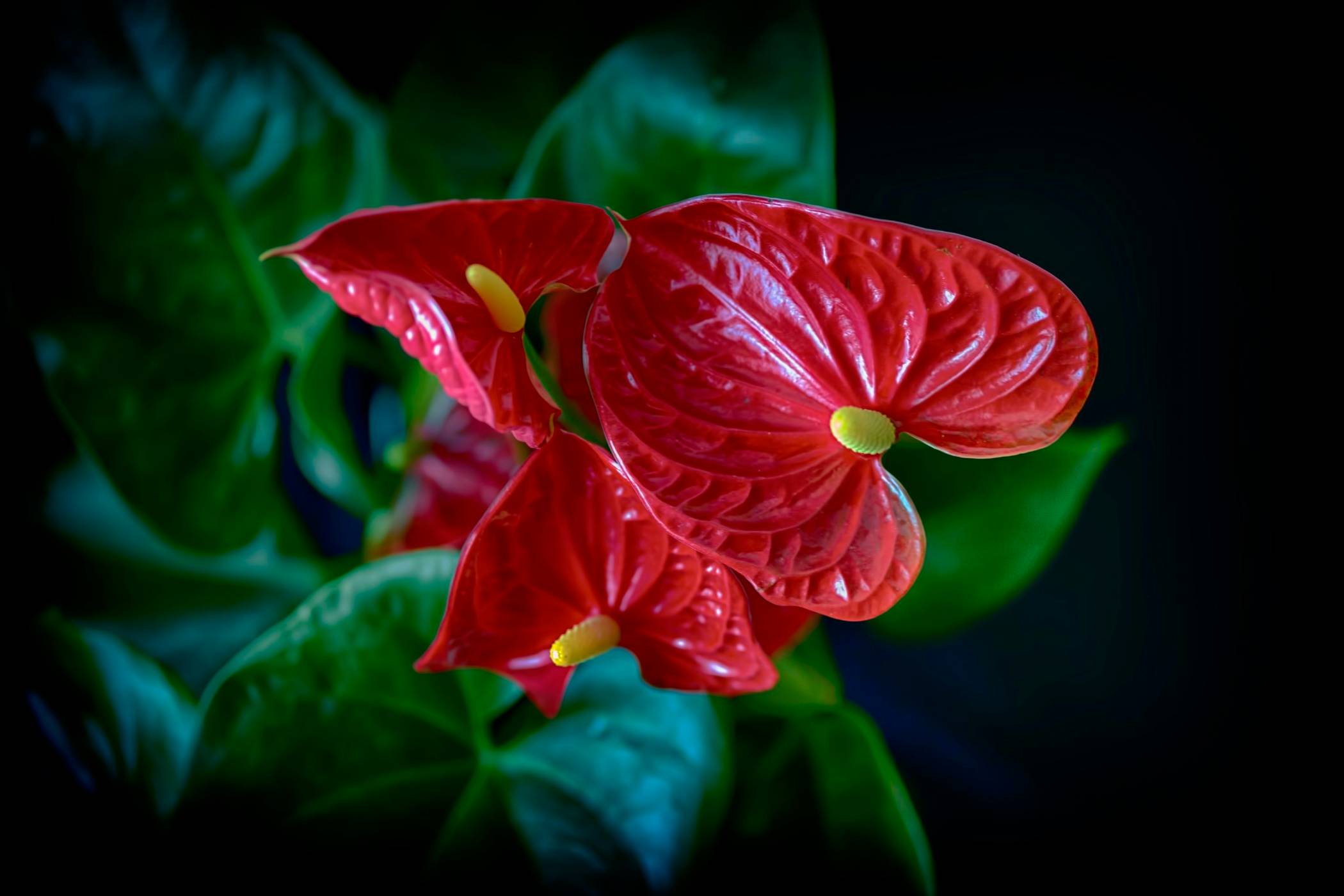
एंथुरियम के 6 अद्भुत लाभ जिनके बारे में आपको पता होना चाहिए
अस्वीकरण: इस पृष्ठ पर पाए गए कुछ लिंक सहबद्ध लिंक हो सकते हैं। यदि आप किसी सहबद्ध लिंक पर क्लिक करते हैं और खरीदारी करते हैं, तो मुझे कमीशन मिल सकता है। Amazon एसोसिएट के रूप में मैं योग्य खरीदारी से कमाता हूँ। क्या आप एंथुरियम नामक इस सुंदर सजावटी पौधे पर नज़र रख रहे हैं? आपको पता होना चाहिए कि यह सिर्फ़ एक सुंदर घरेलू पौधा नहीं है, एंथुरियम के लाभ सिर्फ़ दिखने वाले से कहीं ज़्यादा हैं। फूलों की दुनिया में लोकप्रिय, एंथुरियम, जिसे फ्लेमिंगो लिली के नाम से भी जाना जाता है, एक विदेशी, कम रखरखाव वाला और आसानी से फैलने वाला घरेलू पौधा है। यह एक फेंग शुई पौधा भी है जो सौभाग्य, धन और सौभाग्य लाने के लिए जाना जाता है। इसके अलावा, इसे NASA द्वारा एक बेहतरीन वायु-शोधक इनडोर पौधे के रूप में मान्यता दी गई है।

अल्पाका के बारे में 15 तथ्य जो शायद आप नहीं जानते
क्या आप अल्पाका को अपने फार्म परिवार का हिस्सा बनाने पर विचार कर रहे हैं, लेकिन यह नहीं जानते कि शुरुआत कहाँ से करें? मैं आपको बता दूँ! इस लेख में, मैं 15 तथ्य साझा करना चाहता हूँ जो आपको इन प्यारे जानवरों को और भी अधिक समझने और उनकी सराहना करने में मदद करेंगे।

8 बेकरियां लंदन के सर्वश्रेष्ठ क्रोइसैन के लिए यात्रा करने के लिए
कौन एक अच्छा क्रोइसैन प्यार नहीं करता है? ओवन से गर्म, उस विशेषता क्रंच के साथ जब आप इसमें काटते हैं, तो उस मनोरम सूक्ष्म स्वाद, उस समृद्ध मक्खन ... ठीक है, शायद ही कुछ बेहतर हो। सिवाय अगर आप हमारे जैसे कुछ भी हैं, तो आपके पास हर सुबह क्रोइसैन बनाने का समय नहीं है - यहां तक कि जब आप चाहें तो आप कर सकते हैं।

The Fascinating World of Rabbits
Rabbits are adored for their playful, gentle nature, but there’s much more to these creatures than meets the eye. Whether you’re a rabbit owner or just a fan, here are some fascinating facts that reveal their complex personalities and needs.

लहरों पर महारत हासिल करना: शुरुआती लोगों के लिए 10 ज़रूरी सर्फिंग कौशल
सर्फिंग, समुद्र के सपनों को सहज, हवादार लहरों की हकीकत में बदल देती है।

नीले पैरों वाले बूबी के पैर नीले क्यों होते हैं? और नीले पैरों वाले बूबी के बारे में 8 अन्य तथ्य
अथक मीलों तक उड़ान भरने के लिए बनाए गए पंखों के साथ विशाल महासागरों में सहजता से उड़ान भरना।