लंबी पढ़त
Traditional Chinese Sweets: A Guide to Authentic Desserts
Chinese desserts are far more than mere culinary afterthoughts. They serve as vital cultural anchors, symbolizing significant traditions and seasonal celebrations across Asia. From ancient recipes rooted in history to contemporary favorites, these sweets offer a diverse array of textures—sticky, crunchy, silky, and crisp—all while telling a unique story of regional heritage.
Grayson Oliver Bennett
रचनाकार
चखने से पहले
नीचे पूरी रचना पढ़ें।
परोसा गया
पत्रिका
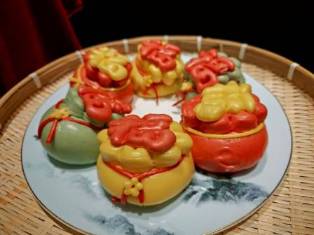
Chinese desserts are far more than mere culinary afterthoughts. They serve as vital cultural anchors, symbolizing significant traditions and seasonal celebrations across Asia. From ancient recipes rooted in history to contemporary favorites, these sweets offer a diverse array of textures—sticky, crunchy, silky, and crisp—all while telling a unique story of regional heritage.
The Cultural Significance of Chinese Confections
Most traditional Chinese sweets are deeply intertwined with cultural symbolism. They are often crafted for specific festivals to represent harmony, wealth, or abundance. By using a handful of staple ingredients—such as glutinous rice, various beans, and aromatic seeds—artisans create complex flavors that have influenced dessert cultures throughout the continent.
Mooncakes (Yue Bing)
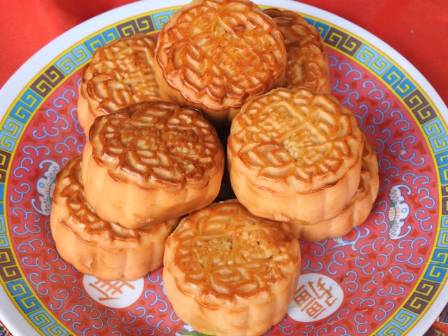
The mooncake is perhaps the most internationally recognized Chinese dessert, central to the Mid-Autumn Festival. This festival occurs when the moon is at its peak luminosity, a time when families traditionally gathered to give thanks for the harvest. Today, preparing and sharing mooncakes remains a ritual of unity and prosperity. While lotus seed paste and red bean paste are the most time-honored fillings, modern variations include salted egg yolks, nuts, and even savory meats.
Deep-Fried Sesame Balls (Jian Dui)
A staple of Cantonese cuisine, Jian Dui are golden, crispy spheres made from glutinous rice flour and coated in sesame seeds. These treats are prized for their "chewy" texture and are usually stuffed with sweet bean or lotus paste. Their round shape and golden color are viewed as symbols of good fortune, making them a necessity during Lunar New Year celebrations. This dessert is so beloved that it has been adapted across Southeast Asia, known as "Onde-Onde" in Indonesia and "Buchi" in the Philippines.
Red Bean Soup (Hong Dou Tang)
This classic dessert soup is a household favorite known for its comforting properties, especially during the winter. Prepared simply with red beans, sugar, and dried tangerine peel, it is celebrated both for its flavor and its perceived health benefits in traditional medicine. Variations across Asia may include the addition of coconut milk or glutinous rice balls to enhance the richness.
Glutinous Rice Balls (Tangyuan)
Tangyuan are small, round dumplings served in a warm, sweet syrup often flavored with ginger. They are the signature dish of the Lantern Festival, representing the spirit of community and family togetherness. The dough is easy to manipulate, allowing families to create various sizes, colors, and even playful shapes like animals, while the fillings typically consist of black sesame or peanut paste.
Egg Tarts (Dan Ta)
The Chinese egg tart is a fascinating example of culinary fusion. Influenced by the Portuguese pasteis de nata in Macau, the Chinese version evolved into a staple of Dim Sum culture. Unlike their European counterparts, these tarts are generally less sweet and have a smooth, custard-like texture encased in a flaky or shortcrust pastry. They are most commonly enjoyed alongside a pot of hot tea.
Steamed Sponge Cake (Ma Lai Gao)
This fluffy, honeycomb-textured cake is a nostalgic favorite in Guangzhou tea houses. Traditionally steamed in bamboo baskets, Ma Lai Gao features a deep caramelized sweetness derived from brown sugar. The recipe is deceptively simple—requiring only eggs, flour, and sugar—yet it produces a light, airy texture that is distinct from Western baked sponges.
Tanghulu: Candied Fruit Skewers
Tanghulu consists of skewers of fruit coated in a hard, translucent sugar shell. While it originated centuries ago during the Song Dynasty as a medicinal treat, it has recently seen a massive resurgence in popularity across East Asia as a viral street food. Traditionally made with hawthorn berries, modern versions feature strawberries, grapes, and mandarin oranges.
Osmanthus Cake (Gui Hua Gao)
Commonly found in the scenic cities of Suzhou and Hangzhou, this dessert is prized for its delicate floral fragrance. Made from glutinous rice flour and osmanthus-infused syrup, the cake has a translucent, jelly-like consistency. It serves as a light, elegant palate cleanser after a large meal or a refined accompaniment to afternoon tea.
Taro and Yam Balls
Particularly popular in Taiwan, these chewy handmade balls are crafted from mashed taro, sweet potato, or pumpkin mixed with starch. They are often served in a "dessert soup" with syrup or grass jelly. Whether served steaming hot or over crushed ice, they are a testament to the creative use of root vegetables in Asian confectionery.
White Rabbit Candy Ice Cream
In a blend of tradition and modern commercialism, the iconic White Rabbit creamy candy has been transformed into a popular ice cream flavor. For many, this represents "the taste of childhood." The milky, nostalgic flavor is available in cones and popsicles, proving that even simple candies can become elevated dessert experiences.
Almond Tofu (Xing Ren Dou Fu)
Despite the name, this dessert contains no actual soy. It is a light, gelatinous jelly made from almond milk (derived from apricot kernels), sugar, and agar. It is often cut into cubes and served with fresh fruit or light syrup. Its refreshing nature makes it an ideal summer dessert for those who prefer subtle, less sugary treats.
Pineapple Cakes (Feng Li Su)
A legendary pastry from Taiwan, the pineapple cake features a buttery, shortbread-like crust filled with a dense, tangy pineapple jam. These square cakes are synonymous with Taiwanese hospitality and are frequently gifted during holidays to symbolize the "arrival of prosperity."
Cantonese Milk Pudding (Nai Wong)
This minimalist dessert relies on the purity of its ingredients: milk, egg whites, and sugar. Through careful steaming, the milk transforms into a sleek, velvet-like pudding. Often served warm in the winter or chilled in the summer, it is a masterclass in Cantonese steaming techniques.
Red Dates and Longan Sweet Soup
More than just a sweet dish, this soup is a bridge between gastronomy and traditional medicine. Featuring dried red dates, longan fruit, and goji berries, it is often consumed to improve circulation and vitality. It is a quintessential example of the Chinese philosophy that food should be both delicious and restorative.
Eight-Treasure Rice (Ba Bao Fan)
Typically served at Lunar New Year banquets, this colorful dish is made of glutinous rice "jeweled" with eight different types of dried fruits, seeds, and nuts. At its center lies a rich layer of red bean paste. The number eight is auspicious in Chinese culture, making this dish a powerful symbol of wealth and good fortune.
Mango Pomelo Sago
A relatively modern addition to the Cantonese dessert repertoire, this chilled soup is a vibrant mix of mango purée, pomelo segments, and sago pearls. It is incredibly refreshing and has become a global favorite, often appearing on the menus of modern bubble tea shops and high-end restaurants alike.
Mung Bean Soup (Lu Dou Tang)
Mung bean soup is a rustic, time-honored remedy used to combat "internal heat" during humid summers. It consists of mung beans boiled until soft with rock sugar. It is a simple, cooling preparation that reflects the rural customs of many Chinese provinces.
Black Sesame Soup (Hei Zhi Ma Tang)
This satiny, ink-black soup is made from roasted black sesame seeds ground with rice and water. It has a deep, nutty aroma and a thick, pudding-like consistency. Rich in minerals and naturally sweet, it remains one of the most popular and easiest-to-prepare desserts in Southern China.
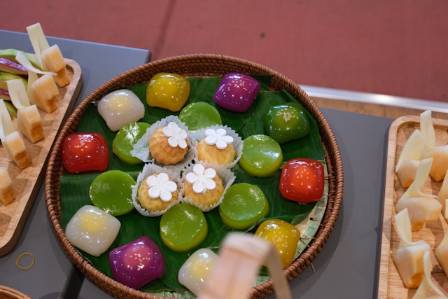
अगला स्वाद

मिट्टी की मूर्तिकला मार्गदर्शिका: खोखली आकृतियाँ बनाने की विस्तृत तकनीकें
मिट्टी से मानव आकृतियाँ बनाते समय, विशिष्ट संरचनात्मक तकनीकों में महारत हासिल करना आवश्यक है ताकि यह सुनिश्चित किया जा सके कि कृति को भट्टी में सुरक्षित रूप से पकाया जा सके। ठोस मूर्तियों के विपरीत, सिरेमिक आकृतियाँ खोखली होनी चाहिए ताकि समान रूप से तापन हो सके और फंसी हुई नमी के कारण होने वाले विस्फोटों को रोका जा सके। लियोनार्डो दा विंची की उत्कृष्ट कृति ' लेडी विद एन एरमाइन' से प्रेरित यह ट्यूटोरियल, धड़ से लेकर आधार तक, सिरेमिक मूर्तिकला प्रक्रिया को विस्तार से समझाता है।

The Most Breathtaking Rice Terraces in Asia
Across Asia, rice terraces turn mountainsides into living canvases of green and gold. From Vietnam’s emerald plains to Indonesia’s lush hills, these stepped fields are not just farming landscapes—they are cultural icons, travel magnets, and showcases of human ingenuity. Here is a curated look at five of Asia’s most jaw-dropping rice terraces, each offering a unique blend of scenery, history, and adventure.

The Most Formidable Omnivore: The Brown Bear's Realm
The brown bear (Ursus arctos), a shaggy-coated member of the Ursidae family, inhabits territories spanning Europe, Asia, and northwestern North America. This species displays remarkable diversity across its range, with numerous recognized subspecies.
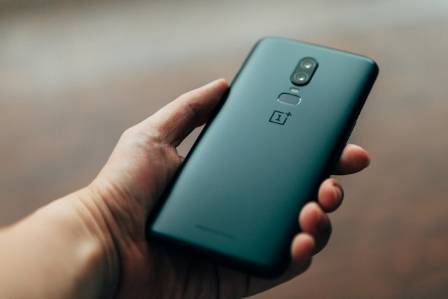
The Most Innovative Smartphones of 2023
2023 has been a year of unexpected innovations in the smartphone industry. While it might seem like smartphones have reached a plateau, some devices have broken the mold, offering exciting new features and designs. These standout phones remind us that there’s still room for creativity and innovation in the smartphone world.
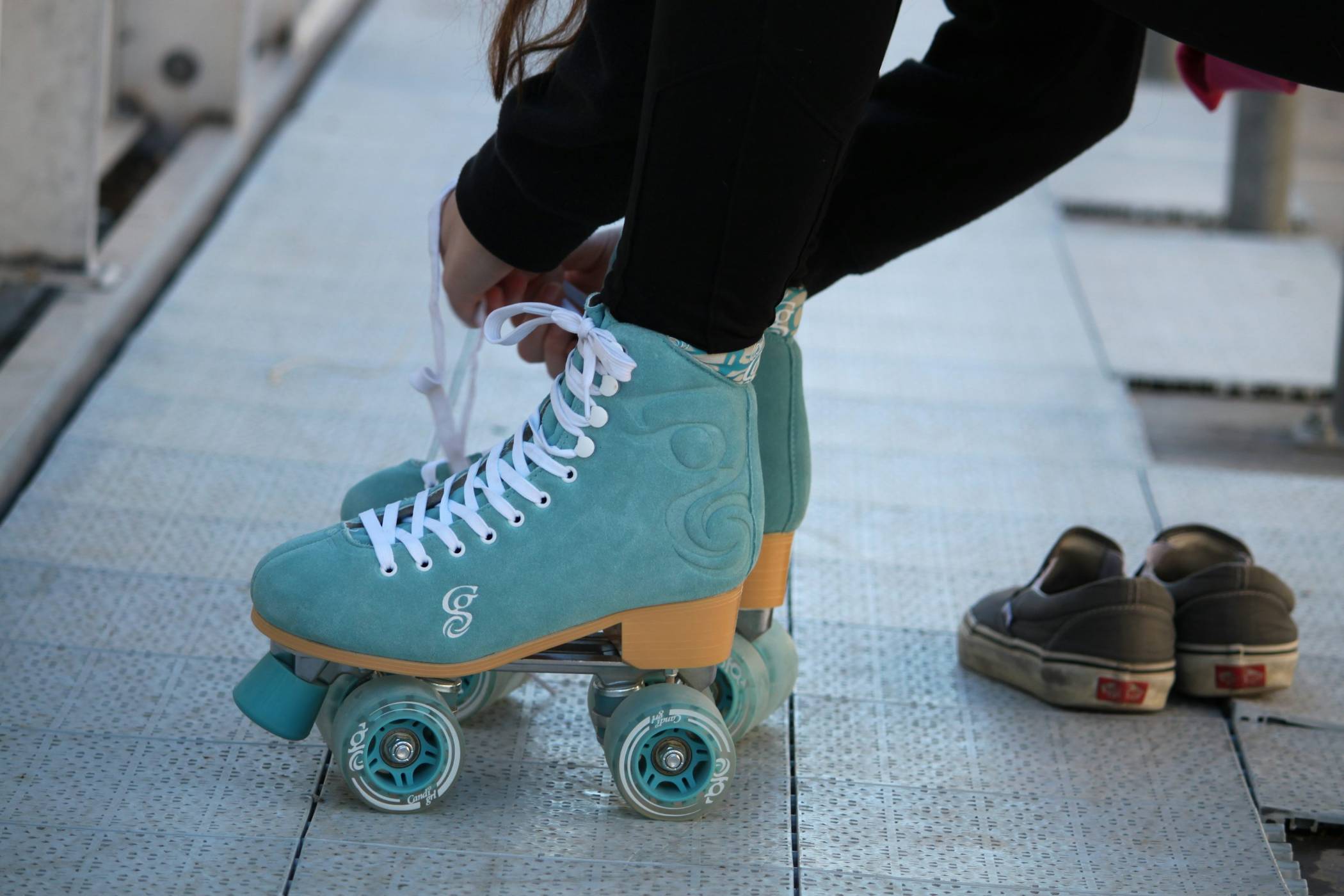
10 कारण क्यों रोलर स्केटिंग आपके लिए एकदम सही गतिविधि है
आपने सही पढ़ा, हम आपको यह बताने के लिए यहाँ हैं कि आपको अभी से रोलर स्केटिंग क्यों शुरू कर देनी चाहिए! सबसे पहले, यह एक बहुत ही मजेदार गतिविधि है। मेरा मतलब है, क्या आपने कभी अपने पसंदीदा स्केट्स में सड़क पर चलते समय अपने बालों में हवा महसूस की है? यह दुनिया में किसी और चीज़ की तरह नहीं है। लेकिन यह केवल मनोरंजन के बारे में नहीं है, ऐसे कई कारण हैं जिनकी वजह से रोलर स्केटिंग को शौक या व्यायाम के रूप में विचार करने लायक माना जाता है। यहाँ रोलर स्केटिंग के शीर्ष 10 लाभ दिए गए हैं और आपको आज ही क्यों शुरू कर देना चाहिए:

पुरुषों के लिए आदर्श स्वेटर चुनने के लिए एक व्यापक मार्गदर्शिका
जैसे-जैसे तापमान गिरता है, अपने वॉर्डरोब में सही स्वेटर शामिल करना ज़रूरी हो जाता है। एक परफेक्ट स्वेटर का चुनाव सिर्फ़ एक आकर्षक डिज़ाइन चुनने से कहीं ज़्यादा है; इसके लिए सिलाई, कपड़ों और पारंपरिक शैलियों की समझ ज़रूरी है ताकि आप पूरे मौसम में गर्म और स्टाइलिश बने रहें।