लंबी पढ़त
An Essential Guide to Antique Vintage and Classic Car History
Automotive enthusiasts frequently employ the designations antique, vintage, and classic without distinction, yet these descriptors carry completely separate definitions within the automotive realm. Motor vehicles classified as vintage came off the assembly line between the years 1919 and 1930. Those designated as antique models were manufactured prior to 1975. Meanwhile, classic automobiles represent vehicles built in the year 2000 or before. Given the natural chronological overlap among these designations, additional considerations such as cultural and historical importance influence how these aged, collectible machines are categorized. Furthermore, individual regional governments maintain specific regulations determining which vehicles qualify for specialized registration plates. Insurance providers also structure distinct coverage options tailored specifically to antique, vintage, or classic classifications. Typically, automobile collectors prefer to label their vehicles using the most exclusive designation available. For instance, a 1928 Packard technically fits into all three groups, but because the vintage designation spans a strict eleven-year window, collectors almost universally utilize this specific term.
Caleb Dawson
रचनाकार
चखने से पहले
नीचे पूरी रचना पढ़ें।
परोसा गया
पत्रिका
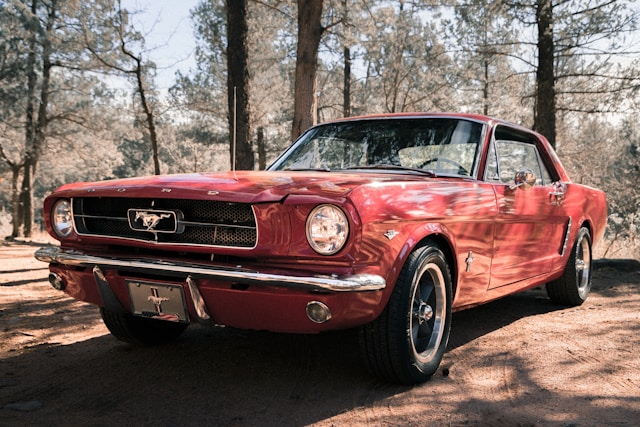
Automotive enthusiasts frequently employ the designations antique, vintage, and classic without distinction, yet these descriptors carry completely separate definitions within the automotive realm. Motor vehicles classified as vintage came off the assembly line between the years 1919 and 1930. Those designated as antique models were manufactured prior to 1975. Meanwhile, classic automobiles represent vehicles built in the year 2000 or before. Given the natural chronological overlap among these designations, additional considerations such as cultural and historical importance influence how these aged, collectible machines are categorized. Furthermore, individual regional governments maintain specific regulations determining which vehicles qualify for specialized registration plates. Insurance providers also structure distinct coverage options tailored specifically to antique, vintage, or classic classifications. Typically, automobile collectors prefer to label their vehicles using the most exclusive designation available. For instance, a 1928 Packard technically fits into all three groups, but because the vintage designation spans a strict eleven-year window, collectors almost universally utilize this specific term.
Karl Benz and the Birth of the First Automobile From 1885 to 1886
A German mechanical pioneer named Karl Benz conceptualized and manufactured a gasoline-powered engine integrated onto a three-wheeled chassis, creating the world's very first functional and realistic automobile. Benz successfully secured a legal patent for his groundbreaking design in the opening month of 1886. It required an additional five years of development before he engineered a vehicle utilizing four wheels. The inventor subsequently established Benz and Company at the turn of the century, an enterprise destined to transform into one of the most celebrated and iconic automotive corporations across the globe.
Henry Ford the Automobile Industry and the Power of Mass Production
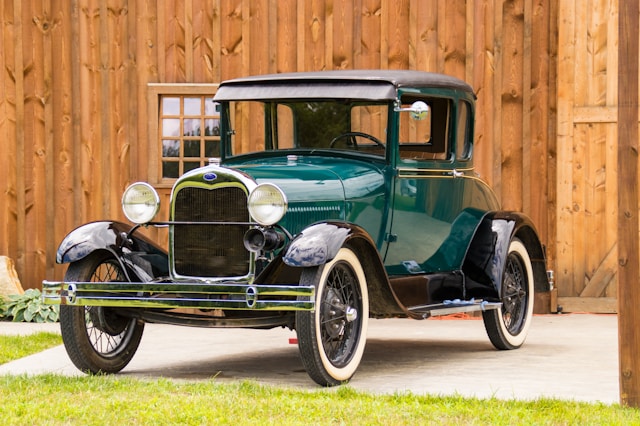
Henry Ford operated on a straightforward philosophy centered around manufacturing an automobile that ordinary working people could actually afford to purchase. His strategy dictated a lower profit margin on each individual unit sold, offset by a massive increase in total sales volume to generate superior overall revenue. Creating a reasonably priced motor car necessitated the development of an equally economical manufacturing methodology. To achieve this, Ford engineered the historic Highland Park Plant within Michigan, introducing the revolutionary concept of a moving assembly line. Assigning a singular, repetitive task to each factory worker proved to be a highly cost-effective and streamlined method for vehicle assembly, culminating in the first Model T exiting the production line in 1908.
The Legacy of Studebaker
The foundations of the Studebaker Company date back to 1852 when it operated as a prominent manufacturer of horse-drawn coaches, industrial wagons, buggies, and passenger carriages. The business ventured into modern transportation by debuting an electric-powered carriage in 1902, followed closely by a gasoline-fueled model in 1904 through strategic alliances with external firms. By 1912, the manufacturer successfully delivered the very first automobile fully built within its own production facilities located in Indiana. The company enjoyed a period of sustainable market success over the subsequent decades, though it encountered severe economic distress in the years following the second world war. The final vehicle bearing the brand name was assembled in 1966.
The Rise and Fall of Packard
The Packard Motor Car Company logged its initial automobile sale in 1899 and rapidly cultivated an elite reputation for manufacturing premium luxury transport. The automaker introduced several pioneering features to the industry, including automotive air conditioning systems, powerful twelve-cylinder powertrains, and contemporary steering mechanisms. When global conflict erupted during the second world war, the enterprise transitioned its production capacity to manufacture heavy-duty engines for military naval and land forces. The post-war landscape presented severe operational challenges for the premium brand. Although a corporate merger with Studebaker was finalized during the 1950s, the alliance failed to rescue the struggling manufacturer, leading to the permanent cessation of vehicle production in 1958.
The Evolution of MG
Established during the 1920s, MG built its foundation as a dedicated sports car manufacturer. While the iconic open-top two-seater sports model remains the most recognized vehicle in its historical portfolio, the company also engineered a variety of traditional coupes and passenger sedans. Corporate ownership transformed numerous times over the decades, eventually leading the brand to become a component of the British Leyland Motor Corporation in 1968. In the modern era, the trademark resides under the stewardship of the Nanjing Automobile Group, which initiated full-scale vehicle assembly operations within China in 2007.
The Iconic Chevrolet Corvette
Chevrolet officially introduced the world to the Corvette during the 1953 Motorama exhibition. Facing a noticeable decline in general showroom sales, the manufacturer introduced this vehicle as a calculated strategy to capture an entirely new demographic of buyers by offering an agile sports car modeled after popular British designs like those from MG. This corporate gamble paid off handsomely for the brand. Consumers purchased more than one and a half million units over subsequent generations, and the manufacturer currently produces and markets the eighth iteration of this legendary sports platform, known to enthusiasts as the C8.
The Unique Chevrolet Corvair
The Chevrolet Corvair enjoyed a production run extending from 1960 through 1969. The brand conceptualized this vehicle specifically to challenge the market dominance of the imported Volkswagen Beetle, resulting in the only American-made passenger vehicle to feature a rear-mounted engine architecture. The highly collectible model line offered incredible variety to consumers, appearing in showrooms as a traditional sedan, a sleek coupe, an open-top convertible, a practical station wagon, and even a passenger van. Approximately one point eight million examples were manufactured throughout the nine-year lifetime of this highly sought-after collectible machine.
The Multi-Generational Ford Thunderbird
The automotive giant Ford has initiated and terminated production of the famous Thunderbird model on two separate historical occasions. The original vehicle made its debut in 1955 and maintained an uninterrupted presence on assembly lines until its initial cancellation in 1997. Recognizing nostalgic consumer demand, the manufacturer revived the nameplate in 2002 with a distinctly retro design language before retiring the model for a second time in 2005. The long-running series progressed through eleven distinct structural generations, offering an array of configurations over the years including a five-seat open-top model and a spacious six-passenger coupe, while the final iteration was offered strictly as a two-seat convertible.
Honoring Automotive Heritage Through Collected Tokens and Memorabilia
Devotees of vintage, antique, and classic motor cars frequently utilize specialized keychains and tokens as a meaningful medium to express their automotive devotion, present their vehicle line-ups, and form relationships with fellow enthusiasts. By integrating these custom objects into their routines, historical vehicle lovers do not merely honor their personal machines, they actively participate in an enduring culture of fine craftsmanship, deep history, and mutual admiration for mechanical legacy.
Commemorative tokens serve multiple functions within this passionate community. Many organized automotive associations create custom metallic tokens as an exclusive symbol of official membership. These items regularly display the organization's distinct emblem, an illustration of an iconic vehicle, or the specific calendar year the association was founded. Furthermore, major automotive exhibitions and competitive rallies frequently distribute limited-run tokens to mark prominent events, including historic vehicle expositions, regional tours, or major milestone anniversaries for specific vehicle designs. Dedicated collectors also routinely exchange or accumulate these pieces to represent historic manufacturing moments, specific car brands, or legendary models, offering a distinctive methodology to honor their love for specialized transportation history.
Customized keychains offer a highly personal avenue for enthusiasts to mirror their preferred vehicle manufacturer, model, or production year. These items frequently incorporate miniature vehicular replicas, official emblems, or the exact paint schemes found on an owner's prized vehicle. Including the specific manufacturer and model name or even the registration plate digits on a personalized keychain remains a highly popular technique for organizing keys, making them instantly recognizable for individuals who manage an extensive collection of historic automobiles. Similar to the token traditions, automotive clubs regularly distribute custom keychains displaying group insignia to allow members to showcase their organizational pride. Finally, these items frequently appear as commemorative giveaways at major automotive gatherings, functioning as lasting mementos and gestures of gratitude for participants. These specialized accessories symbolize a deep personal commitment to safeguarding and restoring automotive history, serving as sentimental reflections of a supportive community.
अगला स्वाद

Exploring the Benefits of Rock Climbing: A Holistic Journey
Rock climbing is more than just a physical activity; it's an experience that enriches both your body and soul. This exhilarating sport offers a multitude of advantages, ranging from physical strength and toning to profound psychological and emotional growth. Here, we delve into the multifaceted benefits that rock climbing has to offer.

इतालवी पास्ता बनाने की कला
सही ताजा पास्ता बनाने का रहस्य गेहूं के प्रोटीन ग्लूटेन के भीतर आयोजित रहस्यों के अनवेलिंग के साथ करना है

Ten Iconic Portraits of Women in Western Art
The depiction of women has been a central, evolving subject in the history of Western art. These portraits transcend mere likeness, offering profound insights into ideals of beauty, societal norms, and artistic revolutions. The following ten paintings represent pivotal works that have defined and challenged the genre across centuries.

समुद्री कछुओं के बारे में शीर्ष 10 तथ्य
1. समुद्री कछुओं की सात प्रजातियाँ हैं समुद्री कछुए 100 मिलियन साल से भी पहले मौजूद थे - और डायनासोर के साथ रहते थे। आजकल, वैज्ञानिक समुद्री कछुओं की सात प्रजातियों को पहचानते हैं: हॉक्सबिल लॉगरहेड लेदरबैक ऑलिव रिडले ग्रीन फ्लैटबैक केम्प्स रिडले इनमें से छह विलुप्त होने के कगार पर हैं, और फ्लैटबैक के बारे में इतनी जानकारी नहीं है कि वे कितने जोखिम में हैं।

प्रसिद्ध फ्रेंच मैकरॉन के बारे में रोचक खोजें
फ्रेंच मैकरॉन को पेस्ट्री की दुनिया में सबसे बेहतरीन मिठाइयों में से एक माना जाता है। नारियल से बने मैकरॉन से अक्सर भ्रमित होने वाली ये नाजुक मेरिंग्यू सैंडविच कुकीज़ एक अनूठा अनुभव प्रदान करती हैं, जिनमें कुरकुरा बाहरी आवरण और अंदर से नरम, चबाने योग्य बनावट होती है। मुख्य रूप से अंडे की सफेदी, चीनी और बादाम के आटे से बनी ये कुकीज़ अनगिनत स्वादों के लिए एक आधार का काम करती हैं, जिनमें पारंपरिक चॉकलेट और नींबू से लेकर गुलाब और लैवेंडर जैसे वनस्पति मिश्रण शामिल हैं। अपनी सुंदरता के लिए मशहूर ये कुकीज़ उच्च संस्कृति का अभिन्न अंग और कला एवं डिज़ाइन में पसंदीदा विषय बन गई हैं।

दुनिया की 6 सबसे ऊंची समुद्री चट्टानों से नज़ारा देखें
एक खड़ी चट्टान सीधे समुद्र से ऊपर उठती है, जिसमें खुली चट्टानों की परतें दिख रही हैं