लंबी पढ़त
Seven Remarkable Characteristics of the Lynx
Elusive, silent, and shrouded in mystery, the lynx stands as one of the most captivating feline predators on our planet. These forest-dwelling hunters are celebrated for their distinctive ear tufts, padded gait, and extraordinary ability to survive in diverse environments. Despite their fascinating nature, several varieties of lynx face significant survival threats in the wild today. At the Bristol Zoo Project, visitors can observe a pair of Eurasian lynx named Zone and Loka, who reside in a specialized woodland habitat alongside other northern species. To honor these incredible animals, here are seven intriguing facts about their biology and behavior.
Liam Nathaniel Carter
रचनाकार
चखने से पहले
नीचे पूरी रचना पढ़ें।
परोसा गया
पत्रिका
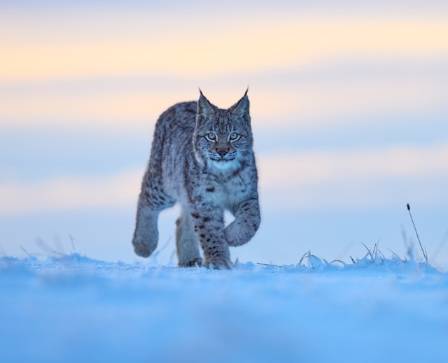
Elusive, silent, and shrouded in mystery, the lynx stands as one of the most captivating feline predators on our planet. These forest-dwelling hunters are celebrated for their distinctive ear tufts, padded gait, and extraordinary ability to survive in diverse environments. Despite their fascinating nature, several varieties of lynx face significant survival threats in the wild today. At the Bristol Zoo Project, visitors can observe a pair of Eurasian lynx named Zone and Loka, who reside in a specialized woodland habitat alongside other northern species. To honor these incredible animals, here are seven intriguing facts about their biology and behavior.
Specialized Paws for Snowy Terrain
Many lynx species are native to territories covered in thick snow during the winter months, leading them to develop unique anatomical features. Their paws are remarkably wide and possess a natural webbing that functions much like a pair of snowshoes. This physical trait allows the cat to distribute its body mass more effectively across the surface, preventing them from sinking into deep drifts. Consequently, they can pursue prey with speed and agility even in the harshest wintry conditions.
Masterful Natural Camouflage
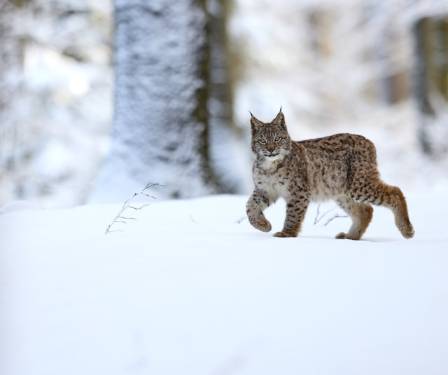
Evolution has gifted the lynx with coats featuring intricate patterns of dots, stripes, and flecks, allowing them to vanish into thick forests or craggy landscapes effortlessly. Much like a person’s fingerprint, the fur markings on every lynx are entirely unique, aiding researchers in tracking specific animals. Furthermore, their fur is exceptionally dense; while a human scalp has roughly 200 hairs per square centimeter, a lynx can possess up to 9,000. This thick layering traps a pocket of warm air against the skin, providing vital insulation against sub-zero temperatures.
The Functional Mystery of Ear Tufts
The four distinct types of lynx—the Eurasian, Canada, Iberian, and the bobcat—all feature prominent black tufts of hair at the tips of their ears. These bristles, which can reach lengths of four centimeters, are believed to serve as sophisticated sensory equipment. Many experts suggest these tufts improve the animal’s hearing by funneling sound waves into the ear canal and may also assist the cat in detecting changes in wind direction. For a predator that relies on stealth, these "antennas" provide a significant edge when tracking the sounds and scents of the forest.
The Dynamics of a Solitary Lifestyle
For the majority of the year, lynx prefer a life of independence, patrolling expansive territories and avoiding contact with others. Social interactions are generally limited to the brief mating season in late winter. Following a gestation period of approximately ten weeks, a mother will raise a litter of one to four cubs. These young cats remain under their mother's guidance for about nine months, during which they master the skills required to hunt and defend themselves. Their dens are typically tucked away in secure locations like rocky gaps or beneath fallen trees.
An Adaptable and Varied Diet
The lynx is an opportunistic carnivore with a wide-ranging appetite. Depending on their specific location and subspecies, they may hunt large animals like deer and reindeer, or smaller prey such as hares, foxes, birds, and rodents. Occasionally, they are even known to catch fish. Utilizing their acute senses and near-silent movement, they are capable of taking down animals significantly larger than themselves. These cats typically hunt during the low light of dawn or dusk, utilizing a precise bite to the throat to subdue their target.
Strategic Benefits of a Bobbed Tail
One of the most recognizable features of the lynx is its short, stubby tail, which rarely exceeds 20 centimeters in length. This reduced size is an evolutionary advantage in frigid climates, as a shorter tail is less prone to frostbite and helps the animal retain internal body heat. Despite its lack of length, the tail is still used as a communication tool. The black tip serves as a visual marker that helps kittens follow their mother through dense brush, dim lighting, or heavy snowfall, and the tail's position can indicate the cat's mood or level of alertness.
A Wide Array of Vocalizations
While they are often perceived as quiet creatures, lynx actually possess a surprisingly large vocal repertoire. Similar to domestic cats, they are capable of purring, but they also produce haunting yowls, growls, and loud screams that carry through the woods during the breeding season. These vocal signals are essential for finding partners across vast distances. Additionally, they will hiss when feeling cornered or threatened, and they have been observed making chirping or chattering sounds when they are particularly curious or excited during a hunt.
अगला स्वाद

Nature's Shifting Mosaic: The Dynamic Splendor of Autumnal Leaves
Following a scorching summer, leaves commence their transition back to green with the onset of rainfall. Leaves, a splendid facet of nature, bestow profound lessons about life. At the advent of each new season, leaves undergo a metamorphosis.

Top Off-Road Vehicles of 2025: Unleashing Adventure on Every Terrain
In 2025, the off-road vehicle market offers a diverse array of options, catering to enthusiasts seeking rugged performance, innovative technology, and unparalleled adventure capabilities. From traditional gas-powered powerhouses to cutting-edge electric trailblazers, these vehicles are engineered to conquer the most challenging terrains. Below is an overview of the top off-road vehicles for 2025, highlighting their unique features and strengths.

Your Guide to Visiting the Louvre Museum in Paris
With close to 35,000 works on display at any moment, the Louvre Museum can feel overwhelming for first-time visitors. As one of the most visited art institutions in the world, it requires some planning to fully appreciate. After more than two decades of guiding visitors through its vast collection, here are practical recommendations to help you make the most of your visit.

7 Santa Claus Secrets You Never Knew
Santa Claus is the heart and soul of Christmas—synonymous with twinkling lights, wrapped gifts, and the magic of the season. We all know his iconic red suit, fluffy white beard, and the tradition of leaving milk and cookies for him on Christmas Eve. But beyond the well-loved stories and rituals, Santa harbors a handful of surprising secrets that even the biggest believers might not know. From his hidden habits to unexpected adventures, these 7 little-known facts will add a whole new layer of charm to the man in red.

हल्की लहरों के ऊपर शाम
PNW एक्सप्लोर करें: ओलंपिक पेनिनसुला पर गर्मियों में देखने लायक 5 टॉप सनसेट

10 of the Most Colorful Birds on Earth
Birds boast some of nature’s most dazzling color palettes, with males often flaunting bold hues to attract mates. Here are 10 standout species that showcase the planet’s vibrant avian diversity.