लंबी पढ़त
Botanical Textile Art: A Comprehensive Guide to Crafting Felt Succulents
Creating handcrafted succulents from wool is a delightful way to capture the organic beauty of nature using textile techniques. By blending various wool types and utilizing a "resist" method, you can produce realistic, three-dimensional plants with intricate layers and lifelike contours. This project combines needle felting and wet felting to achieve a durable yet soft botanical sculpture.
Natalie Grace Ellington
रचनाकार
चखने से पहले
नीचे पूरी रचना पढ़ें।
परोसा गया
पत्रिका

Creating handcrafted succulents from wool is a delightful way to capture the organic beauty of nature using textile techniques. By blending various wool types and utilizing a "resist" method, you can produce realistic, three-dimensional plants with intricate layers and lifelike contours. This project combines needle felting and wet felting to achieve a durable yet soft botanical sculpture.
Required Materials and Tools
To begin your felt succulent project, gather a selection of high-quality fibers and felting equipment. Using a variety of greens and earthy tones will enhance the realism of the final piece.
-
Extra Fine Merino Wool Tops: Approximately 10g for each color.
-
Carded Maori Wool: Approximately 20g for each color.
-
Felting Equipment: A needle felting tool, a foam needle felting pad, and a bubble wrap sheet.
-
Wet Felting Supplies: Warm water, mild soap, and a water sprinkler.
-
Finishing Tools: Sharp scissors and a thin foam sheet to act as a resist.
Layering and Preparing the Fiber
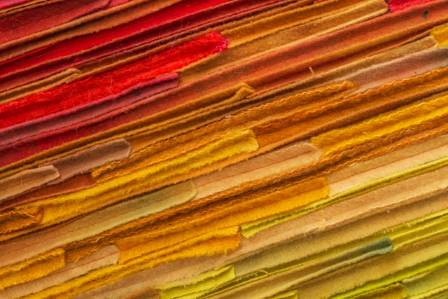
The construction of a felt succulent relies on building layers around a central point. Begin by placing a section of the needle felting pad on your work surface. Create a circular base of extra fine Merino wool tops, approximately 20 cm in diameter. Around the perimeter of this base, add two layers of carded Maori wool, ensuring the very center remains clear of the coarser fiber.
Next, add two more circular layers of Merino wool tops over the entire surface. To create the multi-layered effect typical of succulents, place a thin foam square over your wool. This foam should have a 5 cm hole cut into its center. Align this opening precisely with the middle of your wool circle. Repeat the entire layering process on top of the foam resist. Once both sides are layered, use your felting needle to firmly punch through the center hole, interlocking the Merino fibers from the top and bottom sections.
The Wet Felting and Shrinking Process
After the fibers are mechanically joined at the center, move the project onto a sheet of bubble wrap for the wet felting phase. Saturate the wool thoroughly with warm, soapy water. Cover the piece with another layer of bubble wrap and apply gentle pressure with your hands until the moisture has permeated every fiber.
Roll the entire assembly tightly—similar to a sushi roll—and begin a repetitive rubbing motion, rolling it back and forth across your work surface. Continue this process, occasionally unrolling and re-rolling from different angles, until the felt has shrunk by roughly 30%. A successful felting process should reduce the original 20 cm circle to a diameter of approximately 14 cm. Once achieved, carefully slide out the foam resist and remove any excess water.
Sculpting Petals and Final Shaping
With the felt base now firm and shrunk, you can begin defining the plant's anatomy. Use sharp scissors to cut the circular layers into individual petals. You can vary the shape of these petals—tapering some or rounding others—to mimic specific succulent species. It is crucial to cut through both layers of felt, but stop before you reach the fused center point.
To finish the edges of the petals, re-wet the piece with soapy water and roll the entire sculpture between your palms as if forming a ball. This friction felts the raw cut edges, giving them a smooth, finished appearance. Use a towel to blot out surplus moisture. While the wool is still damp, use your fingers to stretch, curve, or cup each individual petal into a natural position. Allow the succulent to dry completely in a warm spot before placing it in a decorative pot.
अगला स्वाद
5 टिप्स: अपने स्वास्थ्य और जीवनशैली को बेहतर बनाने के लिए हरियाली जोड़ें
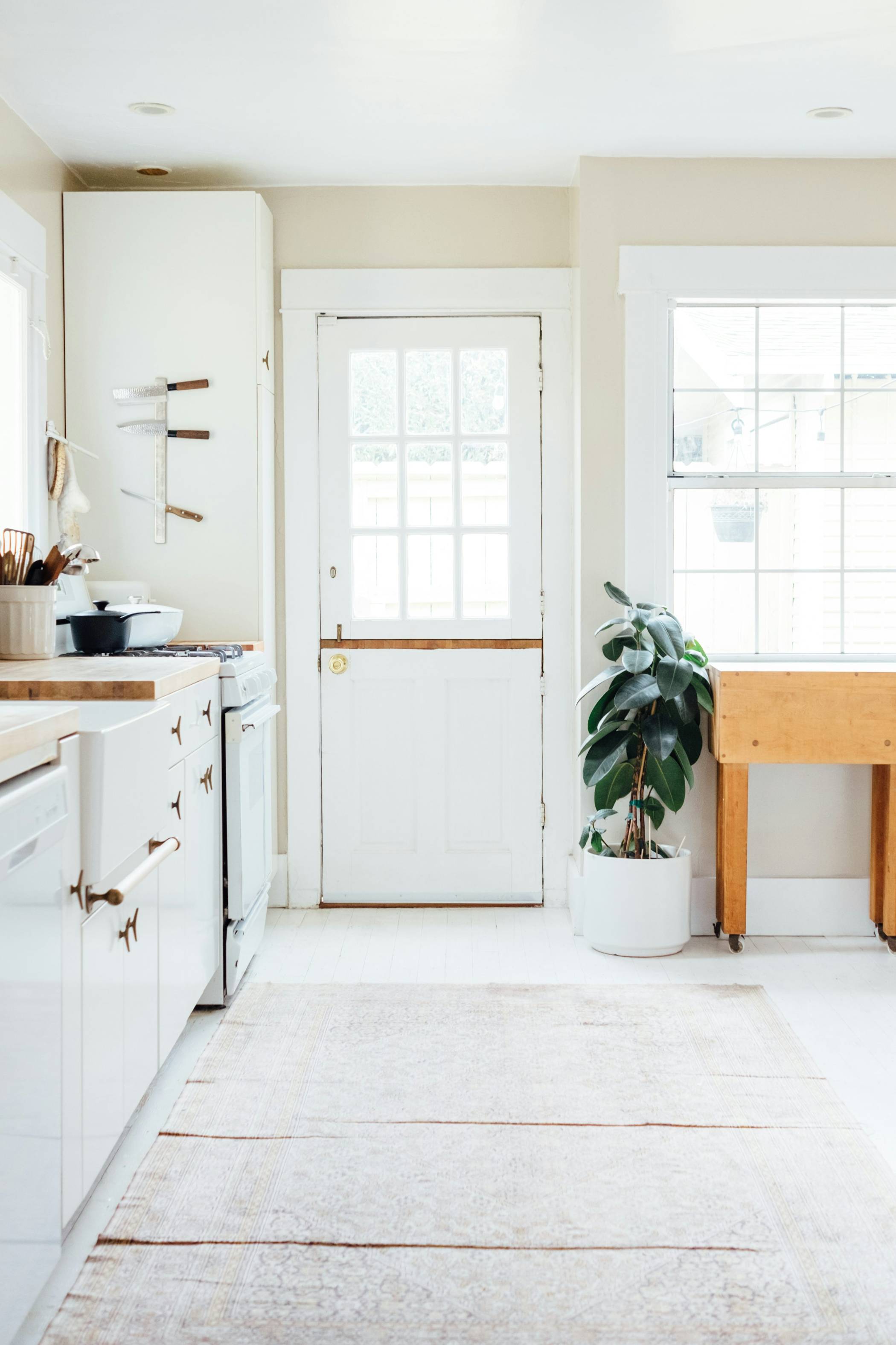
इनडोर पौधे न केवल हमें बेहतर महसूस कराते हैं, बल्कि ये देखने में भी शानदार लगते हैं। अपने घर के हर कमरे में पर्याप्त मात्रा में पौधे लगाने के कई कारण हैं, खासकर आपकी व्यक्तिगत भलाई के लिए। अध्ययनों से पता चला है कि इनडोर पौधे मूड, दक्षता, फोकस और रचनात्मकता को बेहतर बनाते हैं। ये प्रदूषकों को अवशोषित करते हैं, आर्द्रता बढ़ाते हैं और ऑक्सीजन का उत्पादन करते हैं, जो सभी स्वच्छ इनडोर हवा में योगदान देते हैं। प्रकृति हमारी आत्मा को शांत करने और हमें सहज महसूस कराने में सबसे अच्छी है। हम जीवन का अर्थ और अपने प्रकाश बनने का तरीका खोजते हैं। क्या होगा अगर आप प्रकृति को अपने घर में ला सकें? यह अवधारणा इतनी दिलचस्प है कि यह आपको सहज महसूस कराती है, जिससे आप एक शांत मन के साथ शांति का अनुभव कर सकते हैं। अपने घर के इंटीरियर को प्राकृतिक दुनिया के साथ जोड़ने से बेहतर कुछ नहीं है। आइए कुछ मजेदार घर और किचन गार्डन ट्रेंड्स पर करीब से नज़र डालें जो आपको प्रकृति को अपने घर में लाने और इसे और आकर्षक बनाने में मदद कर सकते हैं।
Flamingos: The 7 Most Extraordinary Facts About Nature's Pink Marvels
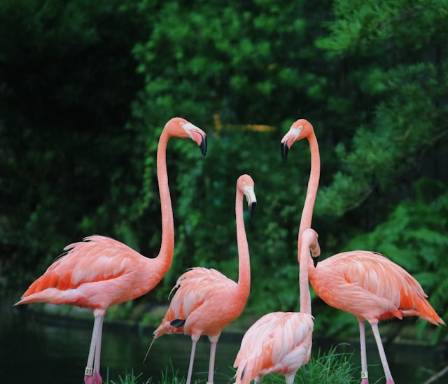
The greater flamingo reigns as the tallest species, reaching heights of 47-59 inches (120-150 cm) and weights up to 7.7 pounds (3.5 kg). In contrast, the lesser flamingo stands just 31.5 inches (80 cm) tall and weighs a mere 5.5 pounds (2.5 kg). Males achieve full dimensions around 1.5-2 years, slightly exceeding females in both mass and wingspan.

12 Coolest Facts You Didn’t Know About Hawaii
On the island of Hawaiʻi (also called “The Big Island”) astronauts prepared for moon missions by training on its vast volcanic landscapes. The rugged terrain, slow-sloping lava fields and high elevation provided a close approximation of the lunar surface, making it a unique off-Earth training ground.
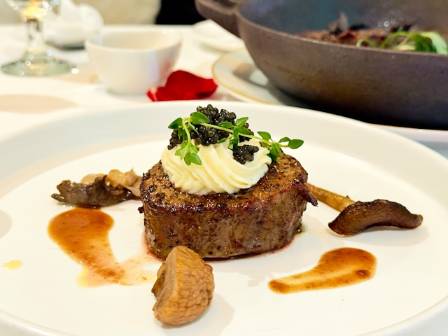
Seared Foie Gras Recipe
Don’t be intimidated by foie gras—this luxurious ingredient is actually quite simple to prepare at home. With a quick pan-searing method, even beginners can achieve a beautifully golden exterior and a rich, silky interior. In fact, the sauce you serve with it may take more effort than the cooking itself. A well-balanced sauce with both sweetness and acidity is the ideal match for foie gras. Below you’ll find easy instructions, serving ideas, and helpful tips.

" WHIMSICAL WONDERS: CHOOSING THE PERFECT WALL ART FOR YOUR LITTLE ONE'S HAVEN"
Discover wonders on quirky walls, where imagination runs wild in a riot of vibrant expressions.
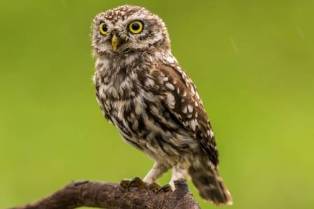
From Twilight to Midnight: Revealing the Enigmatic Universe of Owls
As the golden sun bows down and veils the world in darkness, a mystical presence takes to the skies. This enigmatic figure is no caped hero from a silver screen, but rather nature's own superhero – the owl. With an uncanny ability to navigate unseen and to hunt with unparalleled precision, these feathered nocturnal beings have ignited our collective imagination since time immemorial. Woven into myths and folklore from around the globe, owls carry profound cultural significance, embodying wisdom, magic, and, at times, a harbinger of doom. With adaptations fine-tuned for survival in both daylight and darkness, owls have intrigued and captivated humanity in countless ways.