In today’s dynamic professional landscape, the rigid boundaries of traditional office attire have softened, making business casual the most versatile and widely adopted dress code for men. No longer confined to stuffy suits or overly relaxed weekend wear, business casual strikes a harmonious balance between professionalism and comfort, allowing men to look polished while maintaining ease throughout long workdays, client meetings, or after-hours networking events. This style has become a cornerstone of modern workplace culture, adapting to diverse industries—from creative startups to corporate firms—and evolving with seasonal trends and personal preferences. At President Tailors, we understand that mastering business casual isn’t just about following rules; it’s about curating a wardrobe that reflects your identity, fits flawlessly, and aligns with your professional environment. In this comprehensive guide, we’ll break down every aspect of business casual style, from core definitions and essential pieces to occasion-specific looks, seasonal adjustments, and common pitfalls to avoid, helping you elevate your wardrobe with confidence.
What Exactly Is Business Casual for Men?
Business casual for men is a refined yet relaxed dress code that occupies the middle ground between formal business attire (think full suits, ties, and dress shoes) and casual wear (such as t-shirts, jeans, and sneakers). Its core purpose is to present a professional, put-together appearance without the rigidity of traditional formalwear, making it suitable for most modern workplaces, from tech offices and design studios to law firms with a contemporary ethos. Unlike strict dress codes that leave little room for interpretation, business casual is inherently flexible, varying based on factors like industry norms, company culture, and even geographic location—what works in a laid-back startup in Silicon Valley may differ from what’s appropriate in a conservative financial firm in New York. Typically, business casual outfits include key pieces like button-down shirts, tailored chinos or dress trousers, optional blazers, and polished footwear, with the overarching goal of looking intentional and respectful while feeling comfortable. The defining principle of business casual is “smart relaxation”: every piece should feel purposeful, not sloppy, and fit well enough to enhance your silhouette without restricting movement. It’s a style that celebrates versatility, allowing you to mix and match pieces to create looks that transition seamlessly from desk to dinner or meetings to team outings.
Core Essentials of a Men’s Business Casual Wardrobe
Building a functional business casual wardrobe starts with investing in high-quality, versatile pieces that can be mixed and matched to create countless outfits. These essentials form the foundation of your style, ensuring you’re prepared for any professional scenario while maintaining a cohesive look.
Tailored Shirts: The Backbone of Business Casual
A well-fitted shirt is non-negotiable in business casual attire, serving as the anchor for nearly every outfit. Unlike off-the-rack shirts that often fit poorly (too baggy in the torso, too long in the sleeves, or too tight across the shoulders), tailored shirts are crafted to your exact measurements, offering a clean, sharp silhouette that flatters your body type and exudes attention to detail. The fit is paramount: sleeves should hit at the wrist bone, shoulders should align perfectly without bunching, the chest should allow for comfortable movement without gaping buttons, and the waist should taper slightly to avoid a boxy appearance. When it comes to fabrics, breathability and versatility are key—cotton is a timeless choice, offering softness and durability, while cotton blends (infused with spandex or linen) add stretch or lightweight breathability. Linen is ideal for warmer months, providing a relaxed yet refined look with its natural texture, while poplin and twill offer a smoother, more structured finish that’s perfect for dressier business casual settings. To add personality without sacrificing professionalism, experiment with colors and patterns: classic whites and light blues are wardrobe staples that pair with everything, while soft pinks, muted greens, and earth tones add subtle variety. Subtle patterns like fine stripes, small checks, or herringbone keep outfits interesting without being distracting. As for styling, tucking in your shirt is generally preferred in more formal business casual environments (like corporate offices or client meetings) for a polished look, while untucking is acceptable in relaxed settings (such as creative startups) if the shirt has a shorter hem designed for that purpose.
Chinos & Dress Trousers: The Perfect Bottoms
The right pair of pants can make or break a business casual outfit, bridging the gap between formal suit trousers and casual jeans. Chinos are the ultimate business casual staple—more polished than jeans but less rigid than suit pants, they offer versatility and comfort that works in nearly every professional setting. Opt for slim or straight-fit chinos in neutral hues like navy, khaki, grey, or olive, as these colors easily complement any shirt or blazer and can be dressed up or down. For workplaces that lean slightly more formal (like legal or financial sectors), dress trousers are a smarter choice, offering a cleaner silhouette and structured look. Look for flat-front styles (pleated trousers can feel outdated in business casual) in lightweight fabrics like tropical wool, cotton blends, or linen-blends, which provide comfort without the stiffness of traditional suit pants. Regardless of whether you choose chinos or dress trousers, the fit is critical: they should sit at your natural waist, hug your hips without being tight, and fall straight to the ankle with a slight break over your shoes (avoid overly long pants that bunch at the cuffs or overly short pants that expose your ankles unless the style calls for it). For warmer climates, lightweight fabrics like linen-cotton blends keep you cool, while wool blends offer warmth and structure in cooler weather.
Blazers & Lightweight Jackets: Elevate Your Look
Blazers and lightweight jackets are the secret weapon of business casual style, adding structure, sophistication, and versatility to any outfit. A tailored blazer is the most versatile outerwear piece, capable of elevating a simple shirt and chinos into a polished look suitable for meetings or presentations. Choose blazers in breathable fabrics like cotton, linen, or lightweight wool for year-round wear, and stick to classic shades like navy, charcoal, or beige—these colors pair seamlessly with nearly every shirt and pant combination. Blazers aren’t mandatory for business casual, but having one on hand (whether draped over your arm or hanging at your desk) allows you to quickly dress up an outfit for impromptu meetings or client interactions. Beyond traditional blazers, there are plenty of jacket styles that work for business casual, depending on your environment and personal taste: bomber jackets offer a sleek, modern vibe when paired with a polo or knit shirt and chinos; field jackets are functional and stylish, complementing button-downs and boots; shirt jackets (overshirts) are lightweight and minimal, perfect for layering in transitional weather (spring or fall); trench coats are timeless for rainy or windy conditions, adding elegance to any outfit; overcoats (single or double-breasted) provide warmth in cold climates while maintaining a formal edge; pea coats and duffle coats offer classic charm for winter; and denim or leather jackets work in relaxed business casual settings (like creative industries) when paired with tailored pieces. The key to choosing outerwear for business casual is to prioritize clean, tailored fits—oversized or bulky styles can overwhelm your outfit and undermine the polished aesthetic you’re aiming for.
Footwear: Polished yet Practical
Footwear is a defining element of business casual style, as it communicates your attention to detail and sets the tone for your entire outfit. The right pair of shoes should be polished, comfortable, and appropriate for your workplace, balancing professionalism with functionality. Classic leather shoes are a safe bet: Oxfords, Derbies, and Brogues in black or brown offer a timeless, polished look that works in nearly every business casual setting. These styles are versatile enough to pair with chinos, dress trousers, or even dark jeans (in relaxed environments) and should be kept clean and well-maintained to avoid looking scuffed or worn. Loafers are another essential—they’re comfortable, sleek, and easy to wear, making them ideal for long workdays, while monk strap shoes add a subtle touch of flair without sacrificing professionalism. For cooler weather or more rugged environments, leather Chelsea or chukka boots are excellent choices, offering both style and practicality—they pair beautifully with tailored trousers and a blazer for an elevated yet relaxed look. Sneakers have also become acceptable in modern business casual settings, but only if styled correctly: opt for minimalist designs in neutral tones (white, black, grey) made from leather or suede, as these materials add sophistication and blend seamlessly with tailored pieces. Avoid athletic sneakers, bright colors, or flashy designs, as these can make your outfit look too casual. Regardless of the style you choose, always ensure your shoes are clean and in good condition—scuffed, dirty shoes can undermine even the most well-put-together outfit.
Accessories: The Finishing Touches
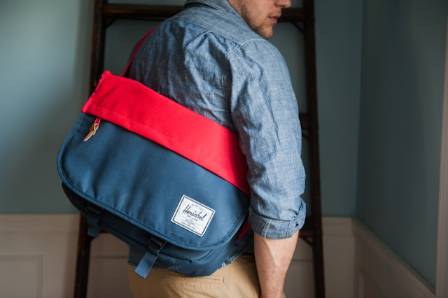
Accessories are the subtle details that elevate a business casual outfit from “good” to “great,” adding personality and polish without being distracting. The key to accessorizing for business casual is to keep it simple and intentional—less is more. A clean leather belt is a must-have, and it should match your shoes (black belt with black shoes, brown with brown) for a coordinated look; avoid flashy buckles or overly thick styles, as these can draw attention away from your outfit. A quality watch adds sophistication and functionality, with leather straps or sleek metal bands working best—choose a minimalist design that’s versatile enough to pair with any outfit, and avoid bulky or overly sporty styles that feel out of place in an office setting. When it comes to carrying your essentials, ditch the backpack (unless you’re in a very relaxed startup) and opt for a structured leather briefcase, messenger bag, or sleek laptop sleeve—these options are both professional and functional, protecting your laptop, documents, and other items while adding a polished touch. Socks are often overlooked but play an important role: stick to solid or subtle patterns in darker tones (navy, black, grey) to avoid clashing with your outfit, and in more relaxed settings, a small pop of color (like a deep burgundy or forest green) can add personality. For blazer wearers, a pocket square is a stylish addition—choose a neutral color or subtle pattern that complements your shirt and blazer, and fold it neatly for a refined look. Ties are not required in most business casual settings, but if you choose to wear one (for a dressier occasion like a client meeting), opt for a knitted or lightly textured fabric in a muted color to keep the look relaxed yet professional.
Dressing Business Casual by Occasion
While business casual is flexible, the right outfit can vary significantly depending on the occasion—what works for a daily office day may not be appropriate for an interview or conference. Understanding how to adjust your look based on the scenario ensures you’re always dressed appropriately, whether you’re at your desk, meeting a client, or networking at an industry event.
Daily Office Wear
Your daily office outfit should prioritize comfort and professionalism, serving as your “business casual uniform” that’s easy to wear and versatile enough for impromptu meetings or team collaborations. Stick to a button-down shirt or polo (in a neutral color or subtle pattern), paired with chinos or tailored trousers and loafers or leather shoes. For cooler days or more formal offices, add a lightweight blazer or overshirt. Keep a blazer at your desk for last-minute video calls or client drop-ins—this simple addition can instantly sharpen your look without requiring a full outfit change. Avoid overly casual pieces like graphic tees, distressed jeans, or sneakers (unless your office explicitly allows them), and opt for breathable fabrics that keep you comfortable throughout the day.
Job Interviews
First impressions matter, so when dressing for a job interview, err on the side of polish—even if the company has a relaxed dress code. A crisp, tailored button-down shirt (white or light blue is safest) paired with a blazer, neutral chinos or dress trousers, and leather Oxfords or loafers is a foolproof combination. Add a conservative watch and leather belt to complete the look, and avoid bold patterns, bright colors, sneakers, or overly tight clothing. This outfit communicates that you take the opportunity seriously and respect the company’s culture, while still fitting within the business casual framework. If you’re unsure about the company’s dress code, research their website or social media for photos of employees, or ask the hiring manager for guidance—better to be slightly overdressed than underdressed.
Work Events & Conferences
Work events, conferences, and networking opportunities require an outfit that’s professional, approachable, and stylish—you want to make a memorable impression without being flashy. Opt for a collared shirt or knit polo, paired with a structured blazer, smart trousers or dark jeans (if the event is relaxed), and monk straps, Chelsea boots, or clean leather sneakers. Add a subtle accessory like a pocket square or statement watch to showcase your personality, and avoid overly casual pieces like hoodies or athletic shoes. These events are a chance to express your style while maintaining professionalism, so choose pieces that fit well and make you feel confident—when you’re comfortable in your outfit, you’ll be more likely to engage authentically with others.
Adapting Business Casual to the Seasons
Business casual style shouldn’t be one-size-fits-all—adjusting your wardrobe for the seasons ensures you stay comfortable while maintaining a polished look, regardless of the weather.
Spring
Spring calls for lightweight layers and fresh, soft tones. Opt for cotton or linen-blend shirts in pastel hues (sky blue, mint green, soft pink) paired with chinos in navy or khaki. A lightweight unlined blazer or overshirt adds structure without overheating, and loafers or clean sneakers keep the look relaxed. Avoid heavy fabrics like wool, and embrace breathable materials that transition well from cool mornings to warmer afternoons.
Summer
Summer business casual is all about staying cool while looking sharp. Choose breathable fabrics like linen, cotton, or seersucker for shirts and trousers—light-colored chinos (beige, light grey) and short-sleeve button-downs or polos are ideal. Skip heavy blazers and opt for a linen overshirt or no outer layer at all, and wear loafers, canvas sneakers, or leather sandals (in very relaxed settings) to keep your feet cool. Avoid dark colors that absorb heat, and prioritize loose, tailored fits that allow air circulation.
Fall
Fall is the perfect season for layering and textured fabrics. Pair oxford shirts with knit sweaters (crewneck or V-neck) in neutral tones, or wear a flannel shirt under a lightweight blazer. Opt for darker trousers (navy, brown, olive) and add a bomber or field jacket for warmth. Chelsea boots or chukka boots are ideal for fall weather, and accessories like a wool scarf or leather gloves (for cooler days) add polish. Embrace earthy tones (rust, mustard, forest green) to align with the season while maintaining a professional look.
Winter
Winter business casual focuses on warmth and structure. Layer knit sweaters or turtlenecks under tailored blazers or overcoats, and opt for wool or wool-blend trousers for insulation. Leather boots (Chelsea, chukka, or lace-up) keep your feet warm, while accessories like a wool scarf, leather gloves, and a structured hat (in neutral tones) add both style and functionality. Avoid bulky sweaters or puffer jackets that can make you look shapeless—instead, choose slim-fit layers that maintain your silhouette while providing warmth. A turtleneck paired with a blazer is a stylish, modern option for winter, replacing the need for a dress shirt and tie while still looking polished.
Business Casual vs. Other Dress Codes: Key Differences
Understanding how business casual differs from other common dress codes helps you avoid outfit confusion and ensure you’re always appropriately dressed for the occasion.
Business Casual vs. Business Formal
Business formal is the most rigid dress code, requiring a full matching suit (jacket and trousers), dress shirt, tie, and polished dress shoes (Oxfords or Derbies). It’s typically reserved for high-level meetings, formal presentations, or black-tie optional events. In contrast, business casual eliminates the requirement for a full suit and tie, allowing for separate pieces (like a blazer with chinos) and more relaxed fabrics and colors. Business formal is about conformity and tradition, while business casual is about flexibility and personal style.
Business Casual vs. Smart Casual
Smart casual is even more relaxed than business casual, blending casual pieces with polished touches. It often includes jeans (dark, non-distressed), graphic-free t-shirts, sweaters, and stylish sneakers or boots. While business casual leans toward professional pieces (collared shirts, tailored trousers), smart casual allows for more casual items as long as they’re coordinated and intentional. For example, a smart casual outfit might be a knit sweater, dark jeans, and leather sneakers, while a business casual outfit would be a button-down shirt, chinos, and loafers.
Business Casual vs. Casual/Semi-Formal
Casual wear is entirely focused on comfort, with no professional requirements—think t-shirts, shorts, jeans, and athletic shoes. It’s inappropriate for most workplaces unless explicitly stated (like a startup with a “come as you are” culture). Semi-formal, on the other hand, is dressier than business casual, often requiring a suit (without a tie) or a blazer with dress trousers and a dress shirt. Semi-formal is common for events like weddings, cocktail parties, or formal work dinners, while business casual is designed for everyday office wear and professional settings that don’t require full formality.
Common Business Casual Mistakes to Avoid
Even with its flexible nature, business casual can be easy to get wrong. Avoid these common pitfalls to keep your look polished and professional:
Ill-Fitting Clothing
The biggest mistake men make with business casual is wearing clothes that don’t fit—baggy shirts, overly tight pants, or sleeves that are too long can make even expensive pieces look sloppy. Invest in tailored clothing or have off-the-rack items altered to fit your body type; a well-fitted shirt or pair of chinos will always look more professional than an ill-fitted designer piece.
Overdoing Accessories
Accessories should enhance your outfit, not distract from it. Avoid wearing too many pieces (a watch, bracelet, necklace, and flashy belt buckle all at once) or overly bold accessories (neon socks, large logos, or novelty ties). Stick to one or two subtle accessories that complement your look, and prioritize quality over quantity.
Ignoring Workplace Culture
Business casual varies by industry and company—what’s acceptable in a creative agency may not be appropriate in a law firm. Take cues from your colleagues and superiors: if everyone wears blazers and dress shoes, follow suit; if the office is more relaxed (jeans and polos), you can adjust your look accordingly. Ignoring workplace culture can make you stand out for the wrong reasons, so always observe and adapt.
Being Too Casual
Business casual does not mean weekend casual. Avoid graphic tees, distressed jeans, flip-flops, hoodies, or athletic shoes (unless they’re minimalist and leather/suede). These items are too relaxed for professional settings and can undermine your credibility. Even in relaxed offices, aim for intentionality—your outfit should look like you put thought into it, not like you rolled out of bed.
Neglecting Seasonal Adjustments
Wearing heavy wool blazers in summer or lightweight linen in winter not only feels uncomfortable but also looks out of place. Adjust your fabrics and layers based on the season to stay comfortable and maintain a polished look. For example, opt for linen and cotton in summer, and wool blends and layers in winter.
Why Choose Custom-Tailored Business Casual from President Tailors
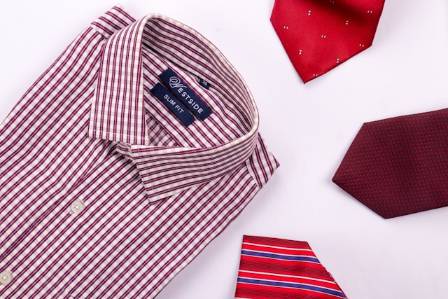
While off-the-rack clothing can work for business casual, custom-tailored pieces elevate your style to the next level, ensuring a perfect fit, high-quality fabrics, and a look that’s uniquely yours. At President Tailors, we specialize in creating custom-tailored business casual outfits that blend professionalism, comfort, and style, designed to meet the needs of the modern man. Our expert tailors take your exact measurements, listen to your style preferences and workplace requirements, and craft pieces—from tailored shirts and chinos to blazers and jackets—that fit like a second skin. We use only premium fabrics, including Egyptian cotton, Italian linen, and lightweight wool, ensuring your clothing is durable, breathable, and comfortable for all-day wear. Whether you need a polished blazer for client meetings, tailored shirts for daily office wear, or versatile chinos that transition from work to weekends, we work with you to create a wardrobe that reflects your personality and helps you feel confident in any professional setting. Beyond tailoring, our team offers style guidance, helping you choose fabrics, colors, and patterns that align with your workplace culture and personal taste. We also provide seasonal updates and wardrobe consultations to ensure your business casual collection stays relevant and functional year-round. Book a free consultation today to experience the difference custom tailoring can make in your business casual style.