लंबी पढ़त
Complete Manual for Cultivating and Managing Lily of the Valley
The lily of the valley is a classic woodland plant prized for its elegant green foliage and delicate, nodding, bell-like blossoms. Known historically by various traditional names such as May bells or maternal tears, this low-growing perennial serves as an exceptional ground cover for the shaded corners of a landscape. By understanding its specific growth habits and care requirements, you can successfully establish this fragrant species in your garden.
Stephen Kenneth Allen
रचनाकार
चखने से पहले
नीचे पूरी रचना पढ़ें।
परोसा गया
पत्रिका
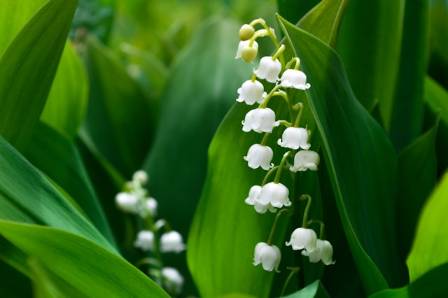
The lily of the valley is a classic woodland plant prized for its elegant green foliage and delicate, nodding, bell-like blossoms. Known historically by various traditional names such as May bells or maternal tears, this low-growing perennial serves as an exceptional ground cover for the shaded corners of a landscape. By understanding its specific growth habits and care requirements, you can successfully establish this fragrant species in your garden.
Understanding the Growth Profile and Vital Cautions
This species typically reaches a modest height of six to twelve inches and spreads steadily to form a dense mat of vegetation. The individual blossoms appear in elegant clusters arranged along one side of a smooth, leafless stem, providing a beautiful visual display that lasts for roughly three weeks during the late spring months. The broad, lance-shaped leaves emerge directly from the base of the plant, framing the highly aromatic white or soft pink flowers.
Before introducing this plant to your landscape, it is critical to note its aggressive spreading habit. It utilizes an expansive underground root system to colonize open ground rapidly, meaning it should be positioned where its boundary can be naturally contained. Additionally, every single part of the plant, including the autumn berries, contains highly toxic compounds. It must be handled with care and kept completely out of reach of household pets, livestock, and young children.
Choosing Locations and Soil Preparation
To achieve the best results, outdoor installation should take place during the mild weather of either spring or autumn. These plants are perfectly adapted to woodland environments and require a location that receives partial sun or consistent shade throughout the day. Intense, direct afternoon sunlight will quickly scorch the foliage and stunt the growth of the stems.
The chosen site must feature loose soil that drains efficiently, as stagnant water around the root zone will lead to rot. Before planting, heavily amend the area by digging in a generous amount of organic compost or well-aged manure to improve soil texture and fertility. If your garden lacks a suitable shaded bed, this species adapts exceptionally well to container culture, allowing you to position pots on shaded patios, porches, or balconies.
Proper Step by Step Planting Methods
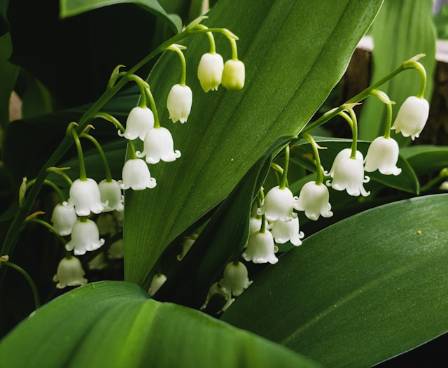
Establishing the underground rhizomes requires careful positioning to ensure quick seasonal emergence. Begin by excavating a shallow opening in your amended soil bed. Identify the pointed bud, often called the pip, at the top of the root section, and place the rhizome into the hole so this bud rests exactly half an inch beneath the final soil line.
Carefully spread the attached fibrous roots outward and downward around the central bud to give them immediate access to the surrounding earth. Space multiple rhizomes roughly six inches apart to allow room for initial seasonal expansion. Cover the root network completely with loose soil, press down gently to eliminate any hidden air pockets, and immediately provide a deep, thorough watering to saturate the entire planting zone.
Long Term Care and Moisture Management
Maintaining uniform soil moisture is the primary requirement for keeping the foliage vibrant throughout the warm season. The ground should remain consistently damp to the touch beneath the surface, as allowing the root zone to dry out completely will cause the leaves to wilt and yellow prematurely.
When fresh growth first breaks through the soil in early spring, apply a top-dressing of organic compost around the base of the plants to deliver a steady stream of nutrients. After the flowering cycle finishes in early summer, leave the green foliage completely intact. The leaves continue to photosynthesize and store energy in the underground rhizomes for the following year. As autumn arrives, the plant produces bright orange, non-edible berries while the foliage transitions to a beautiful golden hue. In late autumn, apply a protective layer of aged manure or compost mulch to insulate the roots through the winter.
Effective Propagation and Indoor Overwintering
When a patch becomes overly dense or you wish to expand your display, propagation is easily achieved by dividing the root network while the plant is dormant in early spring or autumn. Carefully dig up a mature clump from the ground and gently separate the interlocking underground rhizomes into smaller sections, ensuring each piece retains a healthy bud. Replant these sections six inches apart in a freshly prepared bed and water them deeply to stimulate root re-establishment.
For indoor winter blooms, you can transition a few specimens inside during the autumn months. Carefully lift a small cluster of rhizomes from the garden, install them into a well-draining pot filled with standard potting soil, and bring the container indoors. Position the pot in a bright room that receives abundant indirect light. The indoor warmth will encourage the dormant buds to wake early, rewarding you with fragrant blossoms during the cold winter months.
Harvesting Blossoms for Indoor Floral Displays
The highly fragrant stems make exceptional cut flowers for small indoor arrangements, typically lasting up to a full week inside a vase. For the longest lifespan, harvest the flowering stalks early in the morning when roughly one-quarter of the bell-shaped buds on the stem have opened.
When cutting the stems, include a few of the broad green leaves to add natural structure and color contrast to your bouquet. Arrange the flowers in small vases filled with clean water and place the container in a cool room that receives medium, indirect light away from drafts or direct heat sources. To maintain freshness and prevent bacterial growth, change the water completely every other day.
Managing Common Pests and Plant Diseases
While this woodland species is generally resilient and untroubled by major health problems, gardeners should occasionally monitor the foliage for specific issues. Fungal complications can sometimes develop in overly wet or crowded conditions, including leaf spot, rust, anthracnose, and various types of blights like botrytis. Ensuring proper spacing and avoiding overhead watering helps minimize these risks.
Insect pests may also make an appearance depending on your local region. Keep an eye out for aphids, black vine weevils, spider mites, and specialized lily leaf beetles that chew on the foliage. In damp environments, slugs and snails can occasionally damage the lower leaves, while microscopic foliar nematodes can affect internal leaf tissue. Most minor insect issues can be managed through manual removal or the application of organic insecticidal washes.
Selecting Distinctive Horticultural Varieties
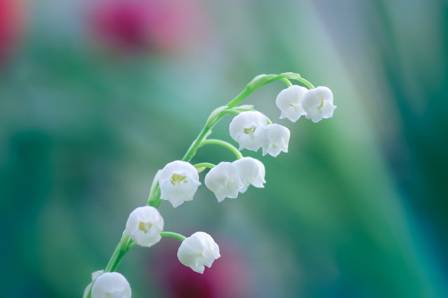
Gardeners can choose from several unique cultivated varieties, each offering specific variations in flower color or leaf pattern. The standard botanical form produces the iconic pure white blossoms that carry the strongest, most classic fragrance. For a splash of alternative color, a specific variant offers delicate, soft pink flowers, though its perfume is notably more subtle than its white counterpart.
Foliage variations are also available to add season-long interest to dark corners. One popular cultivar features striking variegated leaves where the solid green surfaces are pin-striped with creamy-white lines. Another robust selection produces exceptionally large white blossoms held aloft on elongated, sturdy stalks. For early spring brightness, an additional unique variety displays highly attractive golden-green foliage that gradually mellows to a standard green as summer advances.
Cultural History and Botanical Truths
Despite its traditional common name, this plant is not a true member of the lily family. From a strict botanical standpoint, it belongs to the asparagus family, sharing more structural similarities with garden vegetables than classic lilies. In historical folklore and the traditional language of flowers, this highly prized woodland plant has long served as a powerful symbol for the return of happiness, and it remains the official birth flower for the month of May. Traditional legends even suggested that planting these fragrant bells around a home would protect the surrounding garden beds from negative influences.
अगला स्वाद

How Incorporating Natural Yogurt Into Your Daily Diet Enhances Complete Physical Wellness
Yogurt is a widely consumed dairy product created through the natural bacterial fermentation of milk. The specialized microorganisms responsible for this conversion are known as starter cultures, which break down lactose, the organic sugar inherently present in dairy liquids. This chemical transformation yields lactic acid, a compound that alters the milk proteins to thicken and curdle the mixture, giving the final product its signature tangy flavor profile and smooth consistency. This food can be created utilizing milk sourced from various animals, ranging from non-fat varieties made with skim milk to full-fat options produced from whole milk. While unadulterated traditional varieties appear as a thick white substance with a sharp taste, many mass-market selections frequently incorporate unnecessary elements like processed sugars and artificial flavorings to alter the natural taste.

2025 में बजट के हिसाब से सबसे हाई-टेक फीचर्स वाली कारें
दक्षता, आराम और डिज़ाइन के साथ, यह सेडान आज की जीवनशैली के अनुकूल है

इतालवी पास्ता बनाने की कला
सही ताजा पास्ता बनाने का रहस्य गेहूं के प्रोटीन ग्लूटेन के भीतर आयोजित रहस्यों के अनवेलिंग के साथ करना है

एक्रिलिक पेंटिंग में शुरुआती लोगों के लिए गाइड: मोनार्क तितली को चित्रित करना
कैनवास पर एक जीवंत तितली बनाना किसी भी उभरते कलाकार के लिए एक आसान प्रोजेक्ट है, बशर्ते आप प्रक्रिया को सरल और सहज स्ट्रोक में विभाजित कर लें। यह ट्यूटोरियल प्रतिष्ठित मोनार्क तितली पर केंद्रित है, जो आपको रंगों की परतें बिछाने और बारीक विवरणों को समझने में मदद करेगा, जिससे ये नाज़ुक जीव जीवंत हो उठते हैं। पेंटिंग के "अनिश्चित" मध्य चरणों से आगे बढ़कर, आप जानेंगे कि कैसे छोटे-छोटे अंतिम स्पर्श एक पेशेवर और परिष्कृत परिणाम देते हैं।

संयुक्त राज्य अमेरिका की 10 सबसे ऊंची इमारतें
संयुक्त राज्य अमेरिका का क्षितिज देश के वास्तुशिल्प इतिहास की जीवंत अभिव्यक्ति है, जो महत्वाकांक्षा, नवाचार और तकनीकी क्षमता से चिह्नित है। बीसवीं सदी की शुरुआत से, जब शहरी क्षेत्रों में पहली बार स्टील की गगनचुंबी इमारतें दिखाई दीं, से लेकर बेहद ऊंची इमारतों के वर्तमान दौर तक, संयुक्त राज्य अमेरिका ने हमेशा संरचनात्मक डिजाइन की सीमाओं को आगे बढ़ाने की कोशिश की है। ये टॉवर सिर्फ़ संरचनाएँ नहीं हैं; वे उन्नति, सांस्कृतिक महत्व और इंजीनियरिंग कौशल का प्रतीक हैं जो प्रशंसा और सम्मान के योग्य हैं। ये गगनचुंबी इमारतें वास्तुकारों की साहसिक कल्पना और रचनात्मकता के लिए एक श्रद्धांजलि के रूप में खड़ी हैं, जिन्होंने इन ऊँची इमारतों को डिज़ाइन करने के लिए जोखिम उठाया, जो संयुक्त राज्य भर में शहरी डिज़ाइनों की परिभाषित विशेषता बन गई हैं।

ब्लैक-चीक्ड लवबर्ड
लवबर्ड एक डाल पर चौकन्ना खड़ा होता है, और अपने आस-पास की हलचल को देखता रहता है।