लंबी पढ़त
The Antelopes of the Tibetan Plateau
The Tibetan Plateau is a massive high-altitude region filled with wide-open landscapes and surrounded by several mountain systems belonging to the Transhimalayan ranges. Across the northern and northwestern parts of the plateau are endless grasslands, rolling plains, and alpine meadows, forming the highest plateau environment on Earth. With average elevations often exceeding 5,000 meters above sea level, these remote areas provide a unique home for some of Tibet’s most remarkable wildlife species.
Brandon King
रचनाकार
चखने से पहले
नीचे पूरी रचना पढ़ें।
परोसा गया
पत्रिका
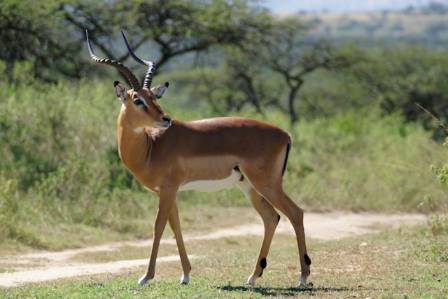
The Tibetan Plateau is a massive high-altitude region filled with wide-open landscapes and surrounded by several mountain systems belonging to the Transhimalayan ranges. Across the northern and northwestern parts of the plateau are endless grasslands, rolling plains, and alpine meadows, forming the highest plateau environment on Earth. With average elevations often exceeding 5,000 meters above sea level, these remote areas provide a unique home for some of Tibet’s most remarkable wildlife species.
Among the many animals living in these vast spaces are two distinctive antelope species: the Chiru, or Tibetan antelope, and the Goa, or Tibetan gazelle. Both animals travel across the plateau following traditional migration paths between seasonal feeding areas, winter habitats, summer pastures, and breeding locations. Classified as “Near Threatened,” both species are protected in China under regulations related to the Convention on International Trade in Endangered Species (CITES).
Although neither species is currently considered endangered, they continue to face serious challenges. Human activity, habitat disturbance, and the expansion of development into their natural environments remain some of the greatest threats to their survival.
Tibetan Antelope or “Chiru”
The Tibetan antelope, locally called the Chiru, is one of the most iconic animals found on the Tibetan Plateau. It mainly inhabits the northern and northwestern regions of Tibet, where it moves across open grasslands and alpine plains.
In the past, the Chiru was among the most common large mammals on the Qinghai-Tibet Plateau. Huge herds numbering hundreds of thousands once traveled across the landscape following seasonal migration routes in search of food.
Today, fewer than 150,000 Tibetan antelopes are believed to remain. Their decline over the past two centuries was largely caused by hunting. Although conservation programs have helped populations recover, illegal hunting continues because of demand for the animal’s soft underfur, which is used to produce expensive luxury shawls in India and other markets.
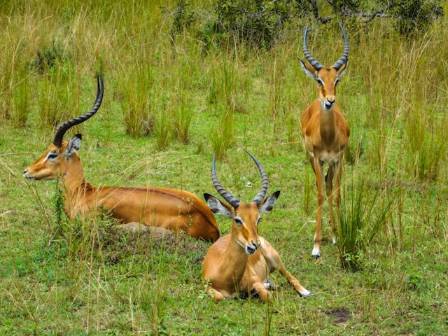
Origins and Characteristics of the Chiru
Scientifically known as Pantholops hodgsonii, the Tibetan antelope belongs to a unique group related to goat-antelopes. Because genetic studies have shown that it differs significantly from other members of the Bovidae family, it has been placed in its own separate genus, Pantholops.
Male Chiru usually reach about 83 centimeters in height, while females average around 74 centimeters. Only males develop long, narrow horns, which can grow up to 60 centimeters in length. Their bodies are covered with reddish-brown fur, while their lower bodies have a lighter whitish coloration.
Researchers believe that the ancestors of modern Chiru have lived on the high Tibetan Plateau for more than 12,000 years, gradually adapting to the harsh conditions of extreme altitude.
Natural Environment of the Chiru
The Tibetan antelope is naturally adapted to the cold, dry landscapes of the plateau. It typically lives in open alpine regions and high-elevation steppes between 3,250 and 5,500 meters above sea level.
Chiru herds prefer broad, flat grasslands with limited vegetation rather than forested areas. Most populations are found within China, especially in Tibet, Qinghai, and Xinjiang, while only small groups exist across the border in Ladakh, India.
Historical records show that Chiru were once found in Nepal during the late 19th century, but they have since disappeared from that region. Today, the largest populations are concentrated in the Changtang Grasslands, especially within the Changtang Nature Reserve in northern Tibet’s Nagqu and Ngari regions, as well as parts of southern Xinjiang and western Qinghai.
Tibetan Gazelle or “Goa”
The Tibetan gazelle, known locally as the Goa, is a different species from the Chiru. It is a smaller and more delicate antelope that lives throughout parts of the Tibetan Plateau.
Unlike the large herds formed by Chiru, Goa usually live in small family groups consisting of around 10 to 12 individuals. Males are often solitary and only join groups during the breeding season.
Although Goa populations have decreased over time, they have not suffered the same level of hunting pressure as the Chiru. Their remote high-altitude habitat, limited interaction with humans, and lack of competition with domestic livestock have provided some protection.
The Tibetan gazelle mainly feeds on native plants, including flowering herbs and legumes. During periods when food becomes scarce, it may also consume small amounts of grasses and sedges.
Origins and Features of the Goa
The Tibetan gazelle belongs to the Procapra genus within the Bovidae family. Both males and females generally stand between 54 and 65 centimeters tall at the shoulder and have slender bodies reaching about one meter in length. Their average weight is around 15 kilograms.
Only males possess horns. These horns are thin, curved backward, and marked with ridges. They grow close together near the forehead before separating toward the tips, usually reaching 26 to 32 centimeters in length.
The Goa has a grayish-brown coat, a black-tipped tail, and no thick undercoat. During winter, its protective outer hairs become noticeably denser, helping it survive the harsh plateau climate.
Natural Habitat of the Goa
The Tibetan gazelle is native to the highlands of the Tibetan Plateau and usually lives at elevations between 3,000 and 5,750 meters.
Most Goa populations are found in China, including Tibet, Qinghai, Gansu, Sichuan, and Xinjiang. A small number also survive in Ladakh, India.
Compared with the Chiru, Goa are more widely scattered across alpine meadows and high-altitude grasslands. Their population density is very low, averaging only around three animals per square kilometer.
Threats Facing Chiru and Goa
The challenges faced by Chiru and Goa are different. Tibetan gazelles are less affected by hunting but are increasingly threatened by the expansion of human activities into their natural habitats.
As agriculture and livestock grazing spread across parts of western Tibet, Goa have been forced into smaller and more remote areas. Continued loss of grassland habitat could seriously affect their future survival.
The Chiru faces additional dangers because of its valuable fur. Their soft underfur, known as shahtoosh, is used to create high-end scarves and shawls that can sell for thousands of dollars. Illegal hunting and trade caused Chiru populations to fall dramatically, dropping from millions of animals to fewer than 75,000 by the 1990s.
Human development has also affected Chiru migration routes. Expansion of roads, settlements, and grazing areas has interrupted traditional movement patterns that have existed for centuries.
Conservation Efforts on the Tibetan Plateau
Modern conservation projects have helped both species recover. Protected areas, including the Changtang Nature Reserve, now provide important habitats where wildlife can move more safely.
The construction of the Qinghai-Tibet Railway also included special wildlife passages beneath the tracks, allowing Chiru herds to continue using their traditional migration corridors. Around 33 migration routes have been preserved through these measures.
However, increased tourism and improved transportation access have also created new challenges, including easier access for illegal hunters. Protecting these unique plateau animals requires continued conservation efforts, careful management of human activity, and long-term protection of their fragile alpine ecosystems.
अगला स्वाद

आधारभूत संरचना का पुनर्विकास: शास्त्रीय चित्रकला की यात्रा
तेल रंगों में मुख्यतः काम करने वाले एक स्थापित चित्रात्मक चित्रकार के रूप में, पिछले वर्ष मेरी रचनात्मक यात्रा में एक महत्वपूर्ण मोड़ आया। अपने अनुभव के बावजूद, मेरे मन में अपने काम को और बेहतर बनाने और अपनी मौजूदा सीमाओं को चुनौती देने की निरंतर इच्छा थी, हालांकि आगे का रास्ता स्पष्ट नहीं था। स्पष्टता पाने के लिए, मैंने दृश्य कला के सबसे मूलभूत पहलू यानी चित्रकारी की ओर लौटने का निर्णय लिया।

दुनिया के सबसे ऊंचे स्की रिसॉर्ट
एक चूका हुआ मोड़, एक गिरावट, फिर हंसी; गिरना सीखना सिखाता है, ज़िंदा महसूस करना

Authentic Homemade Naan: Soft, Chewy, and Fluffy
Many homemade naan recipes produce nothing more than a standard flatbread. This specific version, however, achieves the airy, bubbly, and chewy texture typically found only in Indian restaurants. Even without a traditional clay tandoor oven, you can create professional-quality naan in your own kitchen using a simple skillet. The dough is incredibly straightforward and requires no intense kneading, making it accessible for bakers of all skill levels.

अपने वॉर्डरोब को परफेक्ट हैट से स्टाइल करें
अपने पहनावे में टोपी को शामिल करना आपकी व्यक्तिगत शैली को निखारने का एक अचूक तरीका है, जो किसी भी पोशाक को एक अनूठी पहचान प्रदान करता है। चाहे आप बीनी की सहजता, चौड़ी किनारी वाली टोपी की परिष्कृत शैली, या फेडोरा की सदाबहार अपील को अपनाना चाहें, सही टोपी आपके रूप-रंग को तुरंत बदल सकती है।

Cute Polymer Clay Figurines
Translucent polymer clay offers unique benefits, including light-diffusing properties, durability, and user-friendly handling. Both novice and experienced crafters can use it to sculpt detailed, lifelike anime-style characters with vibrant colors and realistic depth.

Creamy Low-Fat Caramel Pudding Recipe
This rich-tasting pudding manages to stay low in fat while providing a good dose of calcium.